
 Where to Stay
Where to Stay in the Serengeti
Where to stay in the Serengeti — how to choose the right sector, lodge or camp by your month, your migration goal, your budget, whether you fly or drive, and the wildlife you most want to see. Camp placement matters as much as comfort, so match the bed to the herd.

Photo: Magdalena Kula Manchee / Unsplash
- ✓Camp placement matters as much as camp quality — the most beautiful lodge in the wrong sector misses the action entirely.
- ✓There are three broad styles: permanent lodges (year-round, central, reliable), classic tented camps for atmosphere, and mobile camps that move with the herds.
- ✓For the Mara crossings, look north to seasonal and mobile camps near Kogatende; for calving, the southern Ndutu camps; for resident wildlife year-round, central Seronera.
- ✓Your transport shapes your choice — fly-in trips pair with northern and remote camps, drive-in trips with central and southern lodges along the road.
- ✓Verify a camp's location against the migration for your exact dates before booking; treat migration timing as a 30-year average and confirm placement.
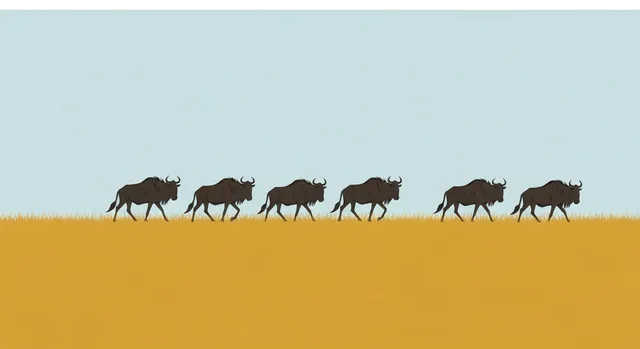
Match the bed to the herd
The single most useful rule for sleeping in the Serengeti is to choose your camp by where the herds will be, not by the photographs. A permanent lodge in central Seronera is a superb base for resident wildlife and a first safari, but it can be hours from a river crossing in August. A mobile camp that packs up and migrates north for the season puts you within reach of the river drama. The Serengeti is roughly 14,750 square kilometres, and a perfectly chosen camp in the wrong sector for your dates is the most common and costly mistake travellers make.
So decide in this order: the season fixes the sector, the sector narrows the camps, and only then do style and budget choose between them. Once the location is right, you weigh comfort against atmosphere against proximity — lodges for reliability, classic tented camps for romance, mobile camps for closeness to the moving herds. This hub gathers the deeper guides; start by confirming, for your exact travel window, where the herds usually are, then read on to choose within that sector.
At a glance
A quick orientation to the choices. Rates and camp placements shift, so verify each camp's sector against the migration for your dates before booking — this page stays evergreen on purpose.
- Crossings (roughly July–October): seasonal and mobile camps near Kogatende in the far north.
- Calving (around February): the southern Ndutu plains camps.
- Year-round resident wildlife and a first safari: central Seronera lodges and camps.
- Styles: permanent lodge (reliable, central), classic tented camp (atmosphere), mobile camp (follows the herds).
- Transport: fly-in pairs with northern and remote camps; drive-in pairs with central and southern lodges.
- Always verify: camp placement against the migration for your exact dates before you pay.
Three styles of stay
Permanent lodges are built to last, usually in the central sector, and they trade movement for reliable comfort — solid rooms, pools, year-round access and an easy first-safari experience. Classic tented camps are the romantic middle ground: canvas under thatch or stars, proper beds and hot bucket or plumbed showers, with the sounds of the plain just beyond the zip. Mobile camps are the migration specialists, light enough to dismantle and re-pitch a few times a year so they shadow the herds, putting you closest to calving in the south or the crossings in the north when the season is right.
None of these is simply better than the others; they answer different priorities. Choose a lodge for dependable comfort and a gentle introduction, a classic tented camp for atmosphere without sacrificing too much ease, and a mobile camp when proximity to the moving herds is the whole point of your trip. Budgets run the full span within every style, from honest no-frills options to the ultra-luxury tier, so the style decision and the budget decision are separate — settle the sector first, then the style, then the price band.
Where to stay by sector
Central Seronera is the dependable heart of the park: rivers, granite kopjes and the densest resident lion and leopard population, with good viewing in every season and the widest spread of lodges and camps. It is the natural base for a first safari and for green-season trips. The southern Ndutu plains come into their own around calving, when newborns and the predators that follow them fill the open short grass — book the southern camps for that window. The far north around Kogatende is the crossing country: remote, quiet, limited in beds, and best reached by air during the dry-season window.
The Western Corridor along the Grumeti River is the migration's first water test mid-year and a quieter alternative to the famous Mara crossings. Wherever you look, the northern and Ndutu camps are fewest in number and book out furthest ahead, so commit early once your dates and sector are set. The deeper sector guides below break down each area's camps, best months and who they suit, always with the reminder to verify placement against the migration for your exact dates.
How transport and budget steer the choice
Your transport and your camp are really one decision. A fly-in safari drops you at a bush airstrip near your camp, which makes the remote north and far-flung mobile camps practical even on a shorter trip; a drive-in safari along the road pairs naturally with central and southern lodges you can reach overland from Arusha, often combining the Serengeti with Ngorongoro and Tarangire on the way. Decide how you are arriving and moving around, and a whole set of camps either opens up or quietly falls away.
Budget then sets the band within your sector and style. Every style spans from honest, good-value options to the ultra-luxury end, and location and timing drive cost more than luxury labels do — a simple camp perfectly placed for the crossings can out-deliver a grand lodge in the wrong sector. Settle the sector by season, the style by priority, the transport by your itinerary, and the budget last. Then, before you pay, verify the camp's placement against the migration for your dates, because the herds move and not every camp follows.
Everything in Where to Stay
More
24
Accessible Lodges in the Serengeti
Accessibility-aware planning for a Serengeti safari — how to read a lodge for steps, showers, paths and vehicle transfers, where fly-in helps, what medical support exists in a remote park, and the questions to ask before you book.
Read guide
All-Inclusive Serengeti Lodges
What 'all-inclusive' actually means at a Serengeti lodge or camp, what tends to be quietly excluded, and how to read two quotes side by side so you are comparing the same trip — not the same word.
Read guide
Best Serengeti Camps for Big Cats
Where to stay in the Serengeti for the best lion, cheetah and leopard viewing — from the kopjes and river valleys of Seronera to the eastern plains and the calving grounds — and how to read placement, season and guiding before you book.
Read guide
Best Serengeti Camps for Photographers
How to choose a Serengeti camp if photography is the point of the trip — placement near the action, the right vehicle and bean-bag set-up, guides who think like photographers, and the logic of a private vehicle and the golden hours.
Read guide
Best Small Camps in the Serengeti
Why the Serengeti's smallest camps — often just a handful of tents — deliver quieter guiding, attentive hosting and a more immersive sense of wilderness, who they suit, and how to choose and book an intimate camp well.
Read guide
Best Tented Camps in the Serengeti
How to choose the best tented camp in the Serengeti — classic, mobile, luxury and family-friendly canvas compared across the park's sectors, with honest, no-guarantee guidance on placement and season.
Read guideBudget Camping in the Serengeti
How budget camping in the Serengeti really works — public campsites, basic tented options and group safaris — what it costs you in comfort, and the few things budget travellers should never compromise on.
Read guide
Central Serengeti Lodges
Where to stay in central Seronera — the Serengeti's year-round heart — for reliable big cats, an easy first safari, the best airstrip access and the widest range of lodges and tented camps in the park.
Read guide
Family-Friendly Serengeti Camps
How to choose a family-friendly Serengeti camp — family tents and interconnecting rooms, pools, sensible child policies, flexible meals and gentler drive pacing — so a safari with kids works for everyone.
Read guideGrumeti Lodges & Private Reserves
High-end Grumeti lodges and private-reserve camps in the western Serengeti — chosen for low vehicle density, polished service, private guiding and quiet access to the Grumeti River country.
Read guide
Luxury Camps in the Northern Serengeti
How to choose a luxury camp in the Northern Serengeti — Kogatende, the Lamai wedge and the Mara River — for crossing season and remote dry-season safaris, with honest, no-guarantee guidance on timing.
Read guide
Luxury Camps in the Serengeti
How to choose a luxury camp in the Serengeti — high-end tented camps and lodges compared by sector, migration season, guiding quality, privacy and fly-in logistics, with honest, no-guarantee guidance.
Read guide
Mobile Camp vs Fixed Lodge
How to decide between a mobile migration camp that follows the herds and a permanent lodge that stays put — the trade-offs in proximity, comfort, atmosphere, cost and reliability for your Serengeti safari.
Read guide
Romantic Camps in the Serengeti
How to choose a honeymoon-ready Serengeti camp — privacy and views, private dining and sundowners, the romance of canvas under the stars, and how to fold in a dawn balloon flight.
Read guide
Serengeti Camps & Lodges with Pools
Which Serengeti lodges and camps have swimming pools, why a pool matters most for families, honeymooners and the hot months, and how to weigh a pool against the placement and proximity that drive great game viewing.
Read guideSerengeti Lodge vs Tented Camp
Lodge, tented camp, mobile camp or campsite — the four ways to sleep in the Serengeti explained for first-timers, with the trade-offs in comfort, atmosphere, location and price.
Read guide
Serengeti Lodges Near the Airstrips
How to choose a Serengeti camp by its airstrip — Seronera in the centre, Kogatende in the north, Grumeti in the west and Ndutu in the south — so a fly-in safari lands you close to your bed and the day's game viewing, not a long transfer away.
Read guideSerengeti Private Concessions Guide
How private concessions and conservancies around the Serengeti differ from the national park — off-road driving, night drives and walking, fewer vehicles — and who should pay the premium for them.
Read guide
Southern Serengeti & Ndutu Camps
Seasonal camps on the southern Serengeti and Ndutu plains — where to sleep for the calving spectacle, the open short-grass plains, green-season predator action and easy access to the cheetah country of the south.
Read guideWestern Corridor Lodges
Camps and lodges in the Serengeti's Western Corridor — placed for the Grumeti River, quieter game drives and the migration's first big water test, with guidance on who they suit and when to go.
Read guide
When to Book Serengeti Lodges
How far ahead to book a Serengeti lodge or camp — by month, sector, camp type, crossing season and holiday travel — so the best-placed beds for your dates are still available when you commit.
Read guide
Where to Stay for the Mara River Crossings
The best Northern Serengeti camp areas for a chance at the Mara River crossings — Kogatende and the Lamai wedge — with honest trade-offs in distance, access, crowds and budget, and why timing is luck rather than a schedule.
Read guideWhere to Stay for the Migration
A sector-by-sector guide to where to sleep for the Great Migration — Ndutu for calving, the Western Corridor and Grumeti, central Seronera, and Kogatende in the north for the Mara crossings — matched to the month you travel.
Read guide
Where to Stay in Ndutu
Camps and lodges for the Ndutu calving season — seasonal canvas among the acacia woodlands and short-grass plains, plus the permit logic of the Serengeti–Ngorongoro boundary that runs straight through the calving grounds.
Read guide