
Best Serengeti Camps for Photographers
How to choose a Serengeti camp if photography is the point of the trip — placement near the action, the right vehicle and bean-bag set-up, guides who think like photographers, and the logic of a private vehicle and the golden hours.

Photo: Tanzania Wild Sky / Unsplash
- ✓For a photography-first trip, placement beats everything: a camp near the action saves the transfer time that eats the golden hours when the light and the cats are at their best.
- ✓The vehicle matters as much as the camp — open sides, low shooting angles, room to spread out, a steady bean-bag rest and power to charge batteries.
- ✓A private vehicle is close to non-negotiable for serious work: it lets you stay with a sighting, choose your angle to the light, and set your own dawn-to-dusk rhythm.
- ✓Guides who understand photography — light, position, patience — are worth more than any lens you can hire; ask about this before you book.
- ✓Treat migration timing as a 30-year average; verify a camp's placement for your dates, its vehicle policy, and current fees and rates directly with the operator.
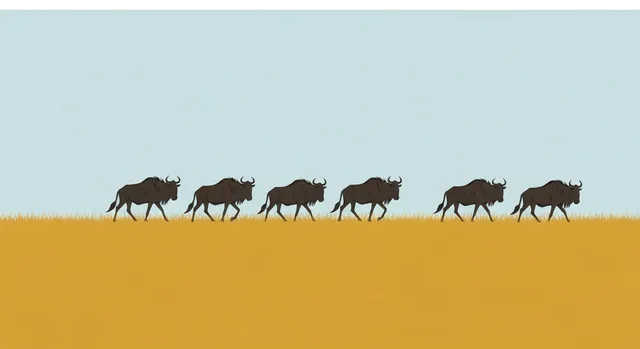
Why photographers should choose a camp differently
Most safari guests choose a camp by comfort, view and price. Photographers should choose by something else entirely: proximity, vehicle and guiding. The reason is simple and unforgiving. The pictures you came for happen in the first and last hour of daylight, when the sun rakes low across the plains and turns dust into gold, and that is also when the cats hunt and the herds move. If your camp sits an hour from the action, you lose that hour at both ends of the day — you arrive after the light has hardened and leave before it softens again. A photographer's camp is, above all, a camp placed where the day's best frames will be.
This page is written for travellers for whom the photography is the trip, not a souvenir of it. It maps the choices that actually change your keeper rate — where to base yourself, what vehicle to insist on, why a private vehicle pays for itself, and how to read a camp's guiding — rather than ranking lodges by their plunge pools. The romance of the Serengeti is real, but for photographers it is earned in the cold dark before dawn, and the right camp is the one that gets you to the light on time.
At a glance
A quick scorecard for choosing a photography camp — weight the rows that match your subjects and your season.
- Placement: choose a camp near where the action will be for your dates, to keep the golden hours.
- Vehicle: open-sided, low angle, room to spread out, a charging point and a solid bean-bag rest.
- Private vehicle: near-essential for serious work — control your angle, timing and patience.
- Guiding: guides who think in light and position, not just species ticks.
- Season: green-season skies for drama, dry-season concentrations for the cats and crossings.
- Verify: camp placement for your dates, vehicle policy, fees and rates — with the operator.
Placement: be where the light and the action meet
The single most valuable thing a camp can give a photographer is to remove the transfer between bed and subject. In central Seronera that means a camp close to the river valleys and kopjes where the resident cats live, so you are in leopard or lion country at first light rather than driving towards it. For the migration's set pieces it means following the herds: a camp on the southern Ndutu plains in the calving window, when newborns and predators fill open ground, or a northern camp near Kogatende and the Mara River in the dry-season crossing months, when columns of wildebeest pile up on the bank at dawn. Mobile camps, which relocate with the seasons, are often the photographer's natural choice precisely because they keep that proximity through the year.
Placement also shapes the background of every frame, not just the timing. Open eastern and southern plains give you clean horizons and uncluttered light for cheetah and big skies; the riverine forest of Seronera gives you dappled, intimate leopard-in-the-fig images; the Grumeti and Mara rivers give you the tension and chaos of a crossing. Decide which images you most want, then choose a camp that sits in that scene. And because the herds answer to rain rather than to a calendar, confirm in writing where a migration camp will be pitched for your exact dates — a camp perfectly placed in August can be the wrong choice in June.
- Seronera: close to leopard figs and lion kopjes for first-light resident-cat work.
- Ndutu (calving, ≈ Dec–Mar): newborns and predators on open, photogenic short grass.
- Kogatende / Mara (≈ Jul–Oct): dawn river crossings — verify placement for your dates.
- Eastern plains: clean horizons and big skies for cheetah and wide landscape frames.
The vehicle: where the picture is actually made
Photographers make their images from the vehicle, so the vehicle deserves as much scrutiny as the camp. The features that matter are practical and specific. Open sides or roll-up flaps, and an open roof hatch, let you shoot in more directions and drop your angle. A low shooting position is everything for wildlife — eye-level with a lion reads as intimacy, while shooting down from a high window flattens the animal into the ground — so a vehicle that lets you brace low over the door line, or a beanbag set on the sill, transforms your results. Space to spread two bodies and several lenses without juggling, charging points to keep batteries and cards alive through long days, and a clean, dust-managed interior all compound into a better keeper rate.
The unglamorous accessory that matters most is the bean bag. A long lens handheld from a moving safari vehicle is a recipe for soft frames; a bean bag draped over the door or roof gives you a stable, swivelling rest that turns marginal light into sharp images. Some camps and specialist operators provide them; many do not, so ask, and consider bringing an empty bag to fill with beans or rice on arrival. The same logic applies to clamps and gimbals for the heaviest glass. When you enquire, ask the camp directly about its vehicles' configuration — open or closed, how many guests per row, whether bean bags and charging are provided — because two camps at the same price can offer wildly different shooting platforms.
- Open sides and roof hatch: more directions to shoot, lower angles.
- Low shooting line: eye-level with wildlife reads far better than shooting down.
- Bean bag: the cheapest, most important stabiliser — bring one if the camp can't supply it.
- Power and space: charging points and room to spread bodies and lenses for long days.
Why a private vehicle is close to non-negotiable
On a shared vehicle you photograph to someone else's schedule. The group leaves when the group leaves, moves on when others lose patience, and stops where the consensus stops — and that is fatal to serious wildlife photography, which is mostly patience punctuated by seconds of action. A private vehicle changes the whole equation. You can sit with a cheetah for an hour waiting for it to rise and hunt; reposition again and again to put the sun behind you or to clean up a background; head out before the first light and stay until the last; and follow your guide's hunch rather than a fixed itinerary. For a photographer, the private-vehicle premium usually buys more keepers than an extra lens would.
A private vehicle also lets you control the one thing you cannot buy on a long lens: angle to the light. Front-light, side-light and back-light each tell a different story, and the difference between a snapshot and a portfolio frame is often just the freedom to move the vehicle five metres. If a fully private vehicle is beyond the budget, the next best options are a small camp with a low guest-to-vehicle ratio, or booking a photographer-focused departure where everyone on board shares your priorities. Whatever you choose, confirm the camp's vehicle policy in writing before you book — 'shared on a rotation' and 'private throughout' are very different trips.
- Patience: stay with a sighting through the dead time until the action comes.
- Angle: reposition freely to control front-, side- and back-light.
- Timing: own the dawn and dusk hours instead of a group's schedule.
- If budget is tight: a small camp with a low guest-to-vehicle ratio, or a photo departure.
Guiding, light and the rhythm of the day
The best photographic guides do not just find animals; they think like photographers. They position the vehicle for the light without being asked, anticipate where a cheetah will move and place you ahead of it, read the sky for a building storm worth shooting, and have the patience to wait out a sleeping leopard for the moment it stirs. That instinct is rare and worth seeking out: ask a camp directly whether its guides are experienced with photographers and how they handle positioning and patience. A long-serving local guide who knows the resident cats and reads the bush will hand you more frames than any gear upgrade.
The rhythm of the day is the other half of the craft. Serious photography means being out for the cold blue hour before sunrise, staying through the harsh midday only if there is action, and returning to the field well before sunset for the long golden light and the chance of a dramatic sky. That argues for camps and guides happy to run full-day drives with a packed breakfast and lunch in the field, flexible departure times, and — where the area permits it — the option of a night drive for nocturnal subjects. Smaller camps tend to be the most flexible on all of this. Green-season months reward photographers with dramatic skies, lush colour and newborn life, while the dry season concentrates the cats and delivers the crossings; choose the season for the images you want, and the camp for the access it gives you to them.
- Guides: seek those who position for light and have the patience to wait out action.
- Full days: packed meals in the field so you never leave a sighting for lunch.
- Night drives: where permitted, for leopard, genet and other nocturnal subjects.
- Season: green months for drama and colour, dry months for cat and crossing concentration.

How to choose, and book, your photography camp
Order the decisions and the choice clarifies. First, decide the images: resident leopard and lion point to a Seronera camp; calving newborns and predators point to a southern Ndutu camp in the late-summer rains; river crossings point to a northern Kogatende camp in the dry season; wide clean-horizon cheetah work points to the eastern plains. Second, choose a camp placed in that scene, and for any migration trip confirm in writing where it will sit for your exact dates. Third, lock in the things that make the pictures: a private vehicle or a low guest-to-vehicle ratio, a bean-bag-friendly open vehicle with charging, and guides who shoot.
Then book early and verify the numbers yourself. The small, well-placed camps that photographers prize are limited and sell out furthest ahead over peak weeks, and private-vehicle availability is the first thing to go. Rather than quote prices that date quickly, we keep this evergreen: confirm current park and concession fees, the camp's rates, and its vehicle and guiding policy directly with the operator before you commit. Do that, build your day around the light, and the Serengeti will reward the patience.

Related guides

Serengeti Photography Safari
How to plan a photo-first Serengeti safari — the vehicle and private guide that make or break your images, the lenses and light to plan for, and the seasons that put predators and crossings in front of your lens.
Read guide
Serengeti Photography Tips
Field-craft photography tips for the Serengeti — shooting in golden light, working from a private vehicle, stabilising on a bean bag, managing dust, framing river crossings and the cats, and doing it all ethically.
Read guide
Private Serengeti Safari
When a private vehicle and guide are worth it on a Serengeti safari — for timing, photography, families, flexibility and tracking the migration — and how a private trip differs from a shared one.
Read guideMore in Where to Stay
6
Accessible Lodges in the Serengeti
Accessibility-aware planning for a Serengeti safari — how to read a lodge for steps, showers, paths and vehicle transfers, where fly-in helps, what medical support exists in a remote park, and the questions to ask before you book.
Read guide
All-Inclusive Serengeti Lodges
What 'all-inclusive' actually means at a Serengeti lodge or camp, what tends to be quietly excluded, and how to read two quotes side by side so you are comparing the same trip — not the same word.
Read guide
Best Serengeti Camps for Big Cats
Where to stay in the Serengeti for the best lion, cheetah and leopard viewing — from the kopjes and river valleys of Seronera to the eastern plains and the calving grounds — and how to read placement, season and guiding before you book.
Read guide
Best Serengeti Safari Lodges & Camps
How to choose the best Serengeti lodge or camp — what separates a permanent lodge, a classic tented camp and a mobile camp, and how to match each to your sector, your season, your migration goal and your budget from honest value to ultra-luxury. The right lodge is the one in the right place for your dates.
Read guide
Best Small Camps in the Serengeti
Why the Serengeti's smallest camps — often just a handful of tents — deliver quieter guiding, attentive hosting and a more immersive sense of wilderness, who they suit, and how to choose and book an intimate camp well.
Read guide
Best Tented Camps in the Serengeti
How to choose the best tented camp in the Serengeti — classic, mobile, luxury and family-friendly canvas compared across the park's sectors, with honest, no-guarantee guidance on placement and season.
Read guide