
Calving Season in the Serengeti
Calving season on the southern Serengeti plains around Ndutu — when roughly half a million wildebeest are born in about three weeks, why it draws the densest predator action of the year, and how to plan a green-season safari around it.

Photo: Dawn Westveld / Unsplash
- ✓Calving peaks around February on the short-grass plains near Ndutu, on the southern edge of the ecosystem beside the Ngorongoro Conservation Area.
- ✓Roughly half a million calves are born in a window of about three weeks — on peak days on the order of eight thousand in a single day.
- ✓The concentration of newborns brings lions, cheetahs, hyenas and jackals in for the most intense predator viewing of the year.
- ✓Open, treeless plains make this the best window anywhere in the ecosystem for cheetahs hunting in the clear.
- ✓It is a green-season trip — lush, photogenic, quieter and better value than the dry-season crossings — but timing is a 30-year average, so verify your dates.
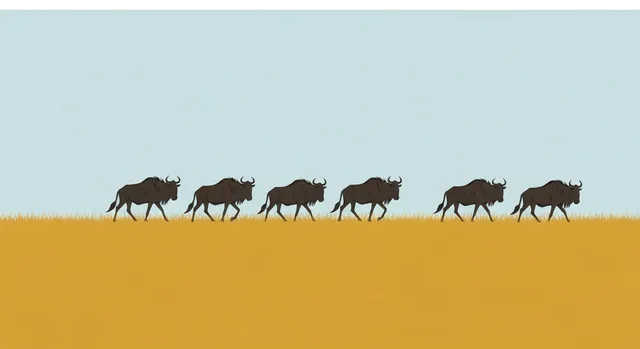
Why the south, why now
Calving unfolds on the southern short-grass plains around Ndutu, on the edge of the Ngorongoro Conservation Area. The herds gather here for a reason written into the ground: these plains are dusted with mineral-rich volcanic ash off the Ngorongoro highlands, and the short grass that springs up after the short rains is loaded with the calcium, magnesium and phosphorus that lactating mothers need. The open, treeless sweep also lets the herds see predators coming. For a wildebeest about to give birth, it is the richest, safest nursery the ecosystem offers.
The migration usually reaches Ndutu in late December, and through January the herds settle across the plains between Naabi Hill, the Gol Kopjes and Lake Ndutu. February brings the true peak: in a window of roughly three weeks the herds give birth in staggering numbers — around half a million calves, on the order of eight thousand a day at the height. A newborn wildebeest can stand and run within minutes, an evolutionary necessity on plains patrolled by lions and cheetahs. Treat the timing as a long-run average, though — calving follows the rains, so an early or late wet season can shift the peak by a couple of weeks.
A study in life and death on the plain
Calving season is not a gentle nursery scene — it is the rawest theatre in the Serengeti, and that is exactly why it draws wildlife enthusiasts and photographers. Predators follow the food, and there is no greater concentration of vulnerable prey on the calendar than half a million newborns on open ground. Lions work the edges of the herds, hyena clans patrol, jackals dart in — and the southern plains become the best place anywhere in the ecosystem to watch the most graceful hunter of all.
Because the ground is open and treeless, cheetahs come into their own here: the chase unfolds across the grass with nothing to block the view. The honest framing, as always, is probabilities rather than promises — no guide can conjure a hunt on a given drive — but the sheer scale of herds and predators in the calving weeks gives you better odds of dramatic sightings than almost any other time or place in the Serengeti year.
Planning a calving safari
The logistics are pleasingly simple. Base yourself in the south around Ndutu — ideally in a mobile or seasonal camp positioned for the calving plains and the acacia woodlands that fringe Lake Ndutu and Lake Masek — so your game drives start close to the herds rather than hours away. Give yourself several nights: no single morning is guaranteed, and the extra time greatly improves your chances of the most dramatic predator action. The green season's softer rates make those nights easier on the budget than the dry-season north.
Ndutu sits right on the Ngorongoro edge, so calving combines naturally with a descent into the Ngorongoro Crater on a drive-in circuit from Arusha — a classic first-Tanzania pairing. Fly-in options serve the southern airstrips for travellers short on time. Pack for green-season mornings: warm layers for the cool starts, light rain protection for the chance of an afternoon storm, and patience for the odd muddy track. As ever, verify the live migration picture for your dates and confirm current park and conservation fees from official sources before you book.
Related guides

Calving Season in the Serengeti (Ndutu)
Calving season on the southern Serengeti plains around Ndutu — when roughly half a million wildebeest are born in about three weeks, why it draws the densest predator action of the year, and how to plan a green-season safari around it.
Read guide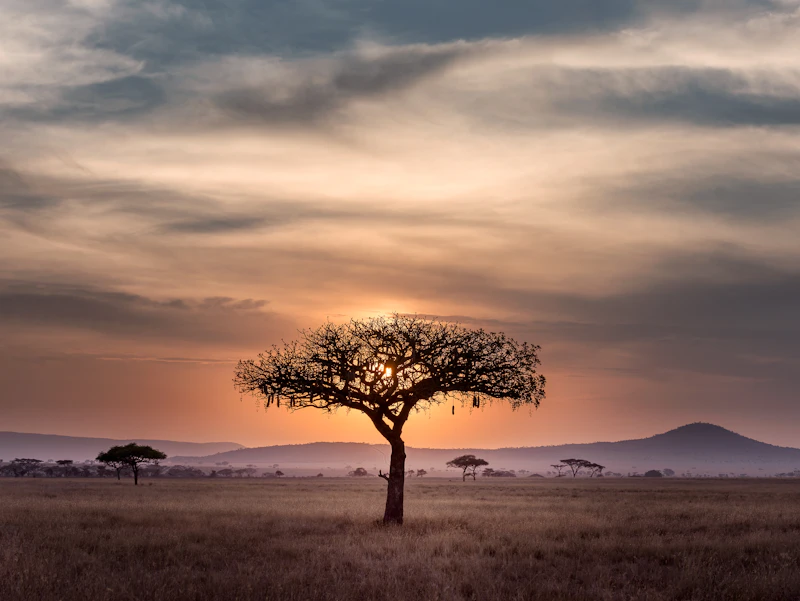
Best Time to Visit the Serengeti
The best time to visit the Serengeti depends on the event you most want to witness. Match the month to the migration — calving, river crossings or big-cat hunting — and build the rest of the trip around the herds, the weather, the crowds and your budget.
Read guide
The Great Migration, Month by Month
Where the wildebeest herds usually are in the Serengeti for each month of the year — calving in the south, the Grumeti in the west, the Mara crossings in the north — with the realistic odds of a river crossing and the right sector and camp to aim for.
Read guideMore in When to Go
6
Best Months for Serengeti Photography
Which Serengeti months deliver the photographs you want — dramatic light and dust, emerald plains, newborns, river crossings, big cats and fewer vehicles in your frame.
Read guide
Calving Season vs River Crossings
Two faces of the Great Migration: the southern Ndutu calving in the green months, and the northern Mara crossings in the dry. Decide between them by wildlife, budget, crowds, predictability and the kind of drama you want.
Read guide
Christmas & New Year in the Serengeti
How to plan a Christmas or New Year safari in the Serengeti — green December plains, gathering herds, premium festive camps, family-friendly logistics and the flights that make a holiday trip work. Romantic, festive and worth booking early.
Read guide
Great Migration Planning Mistakes
The planning mistakes that make travellers miss the herds, overspend, or book the wrong Serengeti sector — and how to avoid each one so your dates, your camp and the migration actually line up.
Read guide
How to Choose a Migration Camp
Match a Serengeti camp to your month, the migration phase, the nearest airstrip, your budget and your wildlife goal — so you sleep where the herds will be, not where the brochure photo was taken.
Read guide
Mara River Crossing Etiquette
How to watch a Mara River crossing responsibly — keeping back from the banks, following TANAPA vehicle rules, and never pressuring the herds into or out of the water.
Read guide