
Luxury Camps in the Northern Serengeti
How to choose a luxury camp in the Northern Serengeti — Kogatende, the Lamai wedge and the Mara River — for crossing season and remote dry-season safaris, with honest, no-guarantee guidance on timing.

- ✓The Northern Serengeti — Kogatende, the Lamai wedge and the Mara River — is the crossing country, and its luxury camps are built around the dry-season window when the herds reach the water.
- ✓This is the most remote part of the park, so luxury here means seclusion and proximity to the river as much as polish: most guests fly in to the Kogatende airstrip.
- ✓Camps split into permanent luxury lodges and high-end mobile camps that pitch in the north only for the season — both can be superb, but they suit different travellers.
- ✓Crossings peak in the roughly July-to-October window, but no ethical camp can schedule one; treat all timing as a 30-year average and verify your exact dates.
- ✓Northern luxury camps are few and book out furthest ahead — peak crossing weeks often sell a year or more in advance, so plan early.
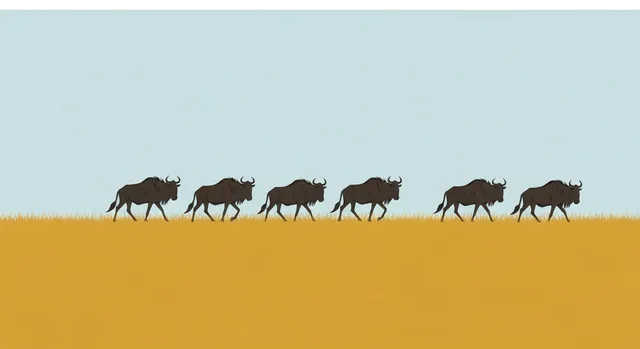
Why the north is its own category of luxury
The Northern Serengeti is a different country from the rest of the park, and its luxury camps reflect that. Where the central plains are open and busy, the north is rolling, wooded and remote — a landscape of hills, kopjes and gallery forest stitched together by the Mara River, far enough from the gates that you reach it by light aircraft rather than a long drive. That remoteness is the whole point: in the dry season, when the herds are here, you can sit at a river crossing with only a handful of other vehicles, an experience that has all but vanished from the more accessible parts of the ecosystem.
So 'luxury' in the north is not only about the room. The thread counts, the plunge pools and the cellar lists are there at the top end, but the real premium is space and access — the privilege of watching the most famous wildlife spectacle on earth without sharing it with a crowd. A luxury northern camp is buying you proximity to the Mara River, the quiet that distance brings, and a level of service and guiding that turns the long, patient hours of crossing season into one of the great safari experiences. For many travellers, the north is the reason they came to Tanzania at all.
The geography: Kogatende, the Lamai wedge and the Mara
To choose a northern camp well, it helps to know the lie of the land. The Mara River runs roughly east to west through the far north, and the herds cross it back and forth through the season. South of the river sits the Kogatende area, the practical hub of the north, with the main airstrip that serves most fly-in trips and a spread of camps within striking distance of the crossing points. North of the river, tucked into the corner where the Serengeti meets the Kenyan border, is the Lamai wedge — a triangle of high ground and short-grass plains that holds some of the most coveted camp sites in the whole park, because the herds graze and cross right on its doorstep.
The distinction matters for two reasons. First, proximity: a camp on the Lamai side or close to a favoured crossing point can mean minutes to the riverbank, while one further from the water means a longer transfer before the action starts. Second, the herds move — they cross north, graze, then cross back south, sometimes within days — so no single spot owns the crossings. The best northern camps are placed to reach more than one crossing point, and the best guides read the day's signs to position you before the herds commit. When you compare camps, look past the décor to where, exactly, the camp sits relative to the river.
- Kogatende: the southern-bank hub with the main airstrip — the access point for most fly-in northern trips.
- Lamai wedge: the high ground north of the river towards the Kenyan border, with some of the most coveted camp sites.
- The Mara River: the crossing line itself — the herds move back and forth across it through the season.
- Placement is everything: favour camps that can reach more than one crossing point, with guides who read the day.
At a glance
A quick orientation before the detail — use this as a scorecard, then weight the rows that matter most for your trip.
- Where: the far north of the park — Kogatende, the Lamai wedge and the Mara River.
- Headline draw: river crossings with few vehicles, in the most remote and exclusive corner of the Serengeti.
- Best for: migration-first travellers, photographers, honeymooners and anyone who wants the crossings without the crowds.
- Crossing window: roughly July–October, peaking around August — a long-run average, so verify your dates.
- Access: almost always a light-aircraft fly-in to the Kogatende airstrip; the road in is very long.
- Two styles: permanent luxury lodges (year-round comfort) and high-end seasonal mobile camps (proximity).
- Booking: camps are few and sell out earliest — plan peak crossing weeks a year or more ahead. Verify current rates with the operator.
Permanent luxury lodges versus high-end mobile camps
Luxury in the north comes in two broad shapes, and the choice between them is the most consequential decision you will make. Permanent luxury lodges are built to stay put year-round, with solid structures, generous suites, reliable power, sometimes a pool, and the kind of dependable comfort that suits travellers who want the north's wildness without roughing it. They are a superb choice for honeymooners and families who value a fixed, polished base, and because they operate all year they also open up the north's resident wildlife and dramatic scenery outside the headline crossing months.
High-end mobile camps take the opposite approach: they pitch in the north only for the season, moving in to shadow the herds and striking their tents when the migration moves on. What they trade in permanence — no pool, simpler power, canvas rather than stone — they win back in proximity and intimacy. A well-sited luxury mobile camp can put you within minutes of a crossing point, and because it follows the herds it is often closer to the daily action than a fixed lodge. These camps tend to be small and owner-attentive, and for the migration purist they are frequently the better choice despite, or because of, their lighter footprint.
Neither style is simply 'better'. The honest filter is what you most want from the trip. If reliability, a fixed address and family-friendly comfort rank highest, lean towards a permanent lodge. If proximity to the river and an immersive, elemental feel matter more, lean towards a luxury mobile camp. Many of the best northern itineraries pair the two — a few nights of mobile proximity for the crossings, bracketed by lodge comfort — so you need not choose only one.
- Permanent luxury lodges: year-round, fixed, polished — best for comfort-first travellers, honeymooners and families.
- High-end mobile camps: seasonal, herd-shadowing, intimate — best for migration purists and photographers chasing proximity.
- Both can be genuinely luxurious; the difference is permanence and access, not necessarily price.
- Consider pairing the two within one trip to get both proximity for the crossings and reliable comfort.
Timing: crossings are luck, not a schedule
The single most important thing to understand before you book a luxury northern camp is that no one can sell you a guaranteed river crossing. The herds reach the Mara from about July, and crossings continue through to October, with the most reliable drama usually in August — but the herds cross when they cross, governed by weather, grazing and a kind of collective nerve that builds and breaks unpredictably. A crossing can happen at dawn or not at all on a given day; the herds may pile up on the bank for hours and then turn away. This unpredictability is not a flaw to be engineered around — it is the wild reality that makes a successful crossing so moving.
What you can do is weight the odds in your favour. Give yourself time: three or more nights in the north dramatically improves your chances over a single rushed day, because you are no longer betting everything on one morning. Travel in the heart of the window rather than its edges. Choose a camp placed to reach more than one crossing point, with patient, experienced guides who know the river's habits. And come with the right mindset — the waiting, the reading of the herds, the slow build of tension is itself the experience, and travellers who arrive expecting a scheduled show are the ones who leave disappointed. Treat every timing claim, including ours, as a long-run average and verify the picture for your exact dates.
- Crossing window: roughly July–October, peaking around August — but it is luck, never a schedule.
- Give yourself time: three-plus nights in the north hugely improves your odds over a single day.
- Choose a camp that can reach more than one crossing point, with guides who read the river.
- Treat any 'guaranteed crossing' as a red flag — and verify timing against your own dates.
What the luxury actually buys you here
It is worth being precise about what you are paying for at the top of the northern market, because the premium is unusual. In a busier park you might pay for a spectacular room; in the north, the room is often the least of it. The real luxuries are exclusivity and access — few vehicles at a sighting, a private or near-private guide, a camp small enough that the staff know your name by the second evening, and a site close enough to the river that you are first on the bank when the herds commit. These are the things that turn a good crossing trip into the safari of a lifetime, and they are exactly what the remoteness of the north makes possible.
Beyond access, the top camps deliver on the details that matter after long days in the vehicle: excellent food cooked in a bush kitchen, sundowners on a kopje as the light goes, a hot shower and a comfortable bed under canvas or thatch, and guiding good enough to find leopard in the riverine bush and to read the migration's mood. Many also offer the experiences the national park restricts in adjacent concession areas — walking safaris, off-road access, the occasional night drive — though within the park boundary itself the standard rules apply. When you compare luxury camps, look past the photographs of the suites and ask about guide quality, vehicle numbers, group size and proximity to the river. Those are the variables that decide your experience.
Getting here, and booking a northern luxury trip well
Almost every luxury northern trip is a fly-in. The road to Kogatende from the central park is very long and rough, so the sensible route is a light-aircraft hop from Arusha or the central Serengeti airstrips to Kogatende, dropping you within reach of your camp and the day's game drives. That fly-in model shapes the whole itinerary: the north pairs naturally with a couple of central-Serengeti nights for resident big cats at the start, and the strict soft-bag and weight limits of light aircraft mean you should pack a duffel rather than a hard case.
Booking well in the north comes down to a few disciplines. Book early — northern luxury camps are few and the peak crossing weeks are among the first dates to sell out across the whole of Tanzania, frequently a year or more ahead. Confirm in writing exactly where the camp sits relative to the river and how many crossing points it can reach. Build in enough nights to give the crossings time to happen. And keep your expectations honest: you are buying a front-row seat at a wild event, not a ticket to a scheduled show. Get those right, lean on the live picture of where the herds are rather than a fixed date, and verify current rates with each operator — and the Northern Serengeti will give you the chapter of the migration that travellers cross the world to witness.
Beyond the crossings: what the north offers all season
It is worth saying clearly that the Northern Serengeti is not only a crossing destination, and a luxury northern camp rewards a stay even outside the dry-season window. The Lamai wedge and the Kogatende country hold resident wildlife year-round — strong lion prides, leopards in the riverine forest along the Mara, elephants, giraffe, and the rolling, kopje-studded landscape that many people find the most beautiful in the whole ecosystem. Because the far north is remote and hard to reach, it stays quiet even when the central park is busy, so a luxury camp here delivers a sense of wilderness and exclusivity that is increasingly rare. For travellers who value space and solitude over the guaranteed crowds of a crossing point, the north out of season can be the most luxurious experience the Serengeti offers.
The northern landscape itself is part of the luxury. This is the most scenic corner of the park — open hills rolling down to the tree-lined river, dramatic skies, granite outcrops and the wide, empty plains of the Lamai triangle — and a well-sited camp makes the most of it with viewing decks, sundowner spots and walking country. The birdlife along the Mara is excellent, the photography is superb in the soft northern light, and the predator action around the resident prides is reliable whether or not a single wildebeest is in the river. A luxury camp here, with a private guide and the freedom to range, turns the scenery into a slow, immersive experience rather than a frantic crossing vigil.
The practical upshot is that you can plan a northern luxury trip around the crossings if your dates fall in the window, or around the landscape, the resident game and the solitude if they do not — and either way the camp itself, the guiding and the wilderness deliver. If crossings are not your goal, the shoulder and green months bring lower rates and even greater quiet to the north, with the same resident wildlife and scenery. Decide whether you are coming for the river or for the wilderness, time the trip accordingly, confirm the camp's position and what it can reach for your dates, and verify current rates with each operator. The north is a category of luxury in its own right, with or without a crossing.
- The far north holds strong resident lion, leopard, elephant and giraffe year-round.
- Remote and hard to reach, it stays quiet and exclusive even when the central park is busy.
- The Lamai and Kogatende country is among the most scenic in the whole ecosystem.
- Out of the crossing window, shoulder and green months bring lower rates and greater solitude.
- Decide whether you come for the river or the wilderness, then time and site the trip accordingly.
Related guides

Northern Serengeti & Kogatende Guide
The complete guide to the Northern Serengeti — the Mara River, Kogatende, Lamai and the remote crossing country worth the flight. Dry-season migration timing, quieter game drives, where to stay, and how to plan a trip around the river.
Read guide
Kogatende: Gateway to the Mara Crossings
A guide to Kogatende — the airstrip, the camps and the Mara River access that make it the key base for crossing-season safaris in the Northern Serengeti. Why this is where most northern trips begin, and how to plan around it.
Read guide
Where to Stay for the Mara River Crossings
The best Northern Serengeti camp areas for a chance at the Mara River crossings — Kogatende and the Lamai wedge — with honest trade-offs in distance, access, crowds and budget, and why timing is luck rather than a schedule.
Read guideMore in Where to Stay
6
Accessible Lodges in the Serengeti
Accessibility-aware planning for a Serengeti safari — how to read a lodge for steps, showers, paths and vehicle transfers, where fly-in helps, what medical support exists in a remote park, and the questions to ask before you book.
Read guide
All-Inclusive Serengeti Lodges
What 'all-inclusive' actually means at a Serengeti lodge or camp, what tends to be quietly excluded, and how to read two quotes side by side so you are comparing the same trip — not the same word.
Read guide
Best Serengeti Camps for Big Cats
Where to stay in the Serengeti for the best lion, cheetah and leopard viewing — from the kopjes and river valleys of Seronera to the eastern plains and the calving grounds — and how to read placement, season and guiding before you book.
Read guide
Best Serengeti Camps for Photographers
How to choose a Serengeti camp if photography is the point of the trip — placement near the action, the right vehicle and bean-bag set-up, guides who think like photographers, and the logic of a private vehicle and the golden hours.
Read guide
Best Serengeti Safari Lodges & Camps
How to choose the best Serengeti lodge or camp — what separates a permanent lodge, a classic tented camp and a mobile camp, and how to match each to your sector, your season, your migration goal and your budget from honest value to ultra-luxury. The right lodge is the one in the right place for your dates.
Read guide
Best Small Camps in the Serengeti
Why the Serengeti's smallest camps — often just a handful of tents — deliver quieter guiding, attentive hosting and a more immersive sense of wilderness, who they suit, and how to choose and book an intimate camp well.
Read guide