
Fly-In Serengeti Safari
How a fly-in Serengeti safari works — when to fly into Seronera, Kogatende, Grumeti or Ndutu, the light-aircraft hops from Arusha and Zanzibar, the strict baggage rules, and how flying changes your budget.

Photo: Aron Marinelli / Unsplash
- ✓Fly-in safaris use bush airstrips — Seronera in the centre, Kogatende in the north, Ndutu in the south and the western strips near Grumeti — to drop you close to your camp.
- ✓Flying trades road hours for game-viewing hours and makes the remote far north practical on a shorter trip.
- ✓Light aircraft connect Arusha and Kilimanjaro, and even Zanzibar, with the park's airstrips on scheduled and charter flights.
- ✓Baggage rules are strict: soft duffels only and firm weight limits — pack light or check your operator's exact allowance.
- ✓Match the airstrip to the season: Ndutu for calving, the western strips around mid-year, Kogatende for the dry-season crossings. Treat timing as a 30-year average and verify.
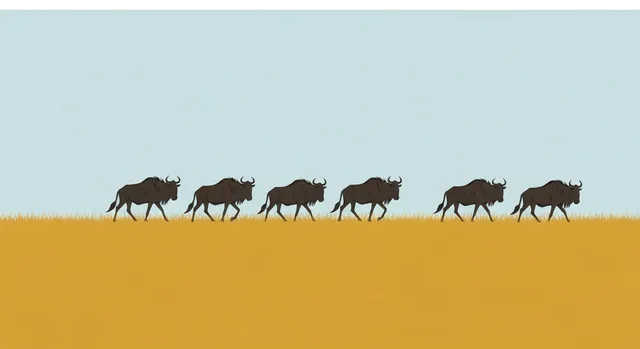
How a fly-in safari works
A fly-in safari swaps the long overland drive for a short hop in a light aircraft, landing you on a grass or gravel bush airstrip near your camp where a guide and vehicle are waiting. Instead of losing the better part of a day to rough roads, you climb aboard a small plane at Arusha, Kilimanjaro or even Zanzibar, watch the plains unspool beneath you for an hour or so, and step out onto the airstrip ready for a game drive. It is the way most travellers reach the remote far north, and the way anyone on tight time buys back precious hours.
The flights are a mix of scheduled circuits — which hop between airstrips picking up and dropping passengers, a little like a bush bus service — and private charters for those who want to move on their own timetable. Either way, the rhythm of a fly-in trip is the same: the aircraft handles the distance, and your camp's vehicle handles the wildlife. The result is a safari with far less transit and far more time on the plain.
At a glance
A quick orientation before the detail. Keep flight costs, baggage allowances and schedules to your operator and the airlines — they change, and this page stays evergreen by design.
- Best for: travellers on limited time, anyone heading to the remote far north, and those who would rather spend hours watching wildlife than driving to it.
- Main airstrips: Seronera (central), Kogatende (far north / Mara crossings), Ndutu (south / calving), and the western strips near Grumeti.
- Gateways: Arusha and Kilimanjaro for the Northern Circuit, plus light-aircraft links from Zanzibar to combine safari and beach.
- Baggage: soft duffels only, no hard cases, with strict weight limits — confirm your operator's exact allowance and pack light.
- Budget effect: flying adds cost but removes road days; on a short or far-north trip it often pays for itself in game-viewing time.
- Always verify: match the airstrip to the migration for your exact dates, and treat all timing as a 30-year average.
Which airstrip, and when
The art of a fly-in safari is choosing the airstrip that matches both your camp and the season. Seronera, in the central park, is the busiest hub and the natural choice for resident big cats and a first safari — it works in every month. Ndutu, on the southern plains near the Ngorongoro edge, is calving country, best early in the year when the herds gather to give birth. The western strips serve the Western Corridor and the Grumeti concessions, in their element around mid-year as the migration moves through. And Kogatende, in the far north, is the gateway to the Mara River and its crossings in the dry-season window.
Because the migration is a clockwise loop that follows the rain, the right airstrip changes through the year. Flying to Kogatende in February, when the herds are calving four hundred kilometres south, would miss the action entirely; flying to Ndutu in August would do the same in reverse. Decide what you most want to witness, then pick the strip that lands you beside it — and treat all timing as a 30-year average that can swing a couple of weeks, so verify the herds' likely position for your exact dates before you book the flight.
The light-aircraft experience and baggage rules
Bush flying is part of the adventure. The aircraft are small — often single- or twin-engine turboprops carrying a dozen or so passengers — and they fly low enough that the plains, the rivers and sometimes the herds themselves slide past the window. Airstrips are unpaved and unfenced; it is not unusual to circle once to clear wildlife from the runway before landing. For most travellers the flights become a highlight rather than a chore.
The one rule that catches people out is baggage. Light aircraft cannot take hard suitcases, and they enforce strict weight limits that include your hand luggage and camera gear. The universal answer is a soft, squashable duffel that can be wedged into an irregular hold, packed light. Confirm your operator's exact allowance well before you travel, and if you are carrying serious photographic equipment, ask how it counts against the limit — sometimes you can buy an extra seat for gear. Most camps offer laundry, so you need far less than you think.
Fly-in versus drive-in: how it changes the budget
Flying costs more than driving on a like-for-like basis, but the comparison is rarely like-for-like. A drive-in safari trades game-viewing hours for road hours and demands more days to cover the same ground, while a fly-in safari compresses the transit and frees those days for the plain. On a short trip, or one aimed at the far north, flying often pays for itself: you might need fewer nights overall, and every one of them is spent where the wildlife is rather than on the road to it.
The honest trade-off is the landscape in between. A drive-in safari from Arusha shows you the country roll past, takes in Ngorongoro and Tarangire on the way, and costs less per day. A fly-in safari skips that scenery in exchange for time and reach. Many of the best trips do both — drive the scenic Northern Circuit in, fly out of the remote north — so you are not forced to choose. Decide by your time, your budget and how much the journey itself matters to you.
Combining flights with the wider trip
Flying makes ambitious itineraries practical. You can pair central Seronera with the far north, hopping between airstrips on a single charter rather than losing a day on the track between them. You can fold in the Northern Circuit by driving in through Ngorongoro and Tarangire, then flying out of a bush airstrip to save the return slog. And because light aircraft link the park with Zanzibar, you can step off the plains and onto the white sand of the islands within a few hours — the classic way to decompress after a safari.
Whatever the shape, build the route around the season and let your operator handle the connections. Bush flights run to their own logic, weather can close an airstrip, and a good operator builds in the buffers and contingencies that keep the chain intact. Confirm the timetable, the baggage allowance and the meet-and-greet at each strip, verify that your camp is placed for the migration on your dates, and let the aircraft do what flying is really for — give you back the hours that matter.
Common questions about fly-in safaris
Which airstrip should I fly into? Match it to the season: Seronera for central, all-year wildlife; Ndutu for calving early in the year; the western strips around mid-year; Kogatende for the far-north dry-season crossings. Verify the migration's likely position for your dates.
What are the baggage rules? Soft duffels only, no hard cases, with strict weight limits that include hand luggage and camera gear. Confirm your operator's exact allowance and pack light; most camps offer laundry.
Can I fly between Zanzibar and the Serengeti? Yes. Light aircraft link the park with Zanzibar, making it easy to combine a safari with a beach finale within a few hours.
Is flying worth the extra cost? Often yes on a short trip or one aimed at the far north, because it removes road days and buys game-viewing hours — sometimes needing fewer nights overall. On a longer, scenery-led trip, driving can be the better value.
Are the flights scheduled or private? Both. Scheduled circuits hop between airstrips picking up passengers, while private charters let you move on your own timetable. Your operator will advise which suits your route.
Can I combine flying and driving? Yes, and many of the best trips do — drive the scenic Northern Circuit in, then fly out of the remote north to save the return journey.

Related guides

Serengeti Airstrips Guide
A guide to the Serengeti's bush airstrips — Seronera, Kogatende, Grumeti, Ndutu, Lamai, Lobo and the rest — sector by sector, with which camps they serve and the seasons they matter most. How fly-in safaris really use them, and how to pick the right one.
Read guide
Seronera Airstrip: Flying Into the Central Serengeti
A full guide to Seronera Airstrip — the Serengeti's busiest, most year-round bush strip, the natural fly-in gateway for the central lodges and a first safari. How the light-aircraft hop from Arusha works, why it serves every season, and how to plan around it.
Read guide
Kogatende Airstrip: Flying Into the Northern Serengeti
A full guide to Kogatende Airstrip — the fly-in gateway to the Northern Serengeti and the Mara River crossings. Why flying is the practical way to reach the crossing country, how the light-aircraft hop from Arusha works, and how to plan around the dry-season window.
Read guideMore in Safari Types
6
Group Joining Serengeti Safari
How a group joining Serengeti safari works — the pros, the cons, the safety questions to ask and the itinerary checks to run — so a shared, budget-friendly safari still delivers the wildlife you came for.
Read guide
How Much a Serengeti Safari Costs
What a Serengeti safari really costs — the building blocks of park fees, accommodation, vehicles, flights and guiding, how season, sector and style move the total, and how to build a realistic per-person, per-day budget without quoting figures that go stale.
Read guide
Mobile Camps in the Serengeti
How seasonal mobile camps follow the migration around the Serengeti, what staying in one is really like, and who should choose canvas-that-moves over a permanent lodge.
Read guide
Night Drives Near the Serengeti
Where night drives are possible around the Serengeti — on the private concessions that border the park — and why they are not part of a standard game drive inside the national park itself. Honest, evergreen guidance on a nocturnal safari.
Read guide
Private Serengeti Safari
When a private vehicle and guide are worth it on a Serengeti safari — for timing, photography, families, flexibility and tracking the migration — and how a private trip differs from a shared one.
Read guide
Romantic Serengeti Safari
Soft-luxury ideas for couples in the Serengeti — intimate tented camps, private sundowners and bush dinners, a dawn balloon flight, a private vehicle, and the quiet sectors where you can have the plains to yourselves. Evergreen and built for two.
Read guide