
Serengeti Green Season Safari
Why the Serengeti's green season can be the best-value, most beautiful time to go — calving on the southern plains, dramatic light and storm skies, superb birding, lush landscapes, fewer vehicles and gentler rates.

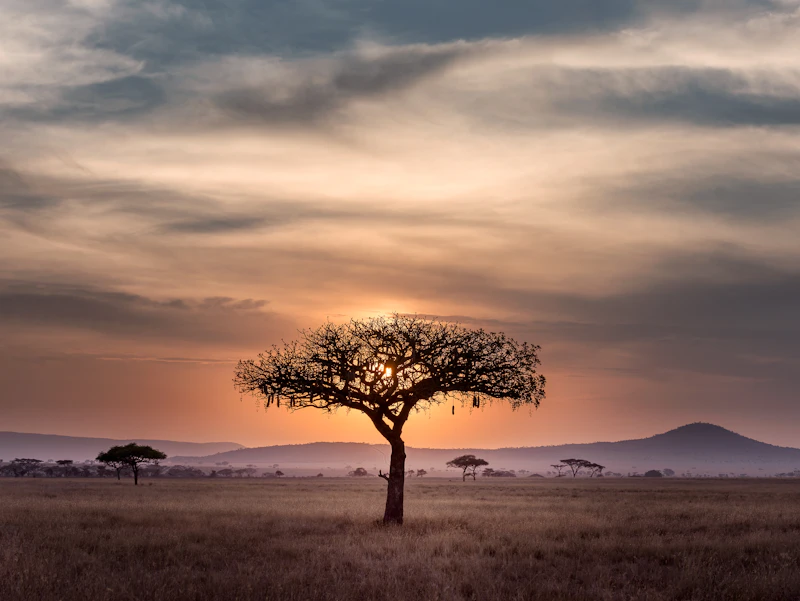
Photo: Javi Lorbada / Unsplash
- ✓The green season spans the short rains (around November) and the long rains (April–May), with the lush, fertile months in between.
- ✓It brings calving on the southern Ndutu plains, the most predator-intense window of the year, usually January to March.
- ✓Skies are dramatic, the light is cinematic and the plains turn emerald — it is the photographer's and birder's season.
- ✓Fewer vehicles and gentler rates than the dry peak, with strong availability at camps that sell out months ahead in high season.
- ✓The trade-off is rain: heavier tracks, scattered game in places and a real chance of afternoon storms, especially in April and May.
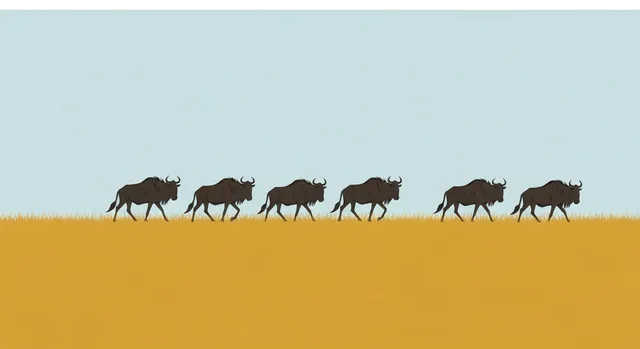
The season most people overlook
Ask most first-time visitors when to go to the Serengeti and they will say the dry season, when the bush thins and the famous river crossings happen. But the green season — the rainy, fertile counterpart — quietly offers some of the best safari of the whole year, and far fewer people compete for it. The plains turn a vivid emerald, the skies stack up into vast dramatic storms, the light turns golden and cinematic between showers, and the southern plains fill with newborn wildebeest. For travellers who value beauty, value and space over guaranteed dry-season convenience, it can be the better choice.
The green season is not a single block. It spans the short rains, which usually break around November and pull the herds back south, and the long rains of April and May — with the lush, sun-and-shower months of December through March in between. Each stretch has its own character, and understanding them is the key to travelling well in the green months. As always, treat any timing as a long-term average and verify the picture for your exact dates close to travel; the rains follow patterns, not promises.
Calving: the green season's headline event
The single biggest reason to choose the green season is calving. From roughly January into March, peaking in February, around half a million wildebeest are born in a few short weeks on the short-grass plains around Ndutu in the southern Serengeti. The new grass, fed by volcanic ash from the Ngorongoro highlands, fuels the lactating mothers, and the open, treeless ground lets the herds watch for predators. It is one of the great spectacles of the natural world, and it happens squarely in the green months.
Where there are newborns, there are predators. Calving is the most predator-intense window of the Serengeti year — lions, cheetahs and hyenas follow the food, and the open plains make the action unusually visible. This is the best season to watch a cheetah hunt across clear ground. And unlike the river crossings, calving is relatively predictable: the herds are reliably in the south in these months in most years, so you get reliable, visible drama rather than a gamble on a single uncertain event.
Light, photography and birds
The green season is the photographer's season. The air is washed clean of dust, the plains glow green, and the storm skies provide the kind of towering, dramatic backdrops that the flat blue of the dry months cannot match. Light breaks through cloud in shafts, rainbows arch over grazing herds, and the contrast between dark sky and bright grass is extraordinary. If you care about the quality of your images more than the certainty of a particular sighting, this is your window.
It is also the birder's season. The short rains bring in migrant species, resident birds move into breeding plumage, and the wetlands and flushes of new growth concentrate activity. Birdlife across the Serengeti is at its richest and most colourful in the green months, an aspect of the park that the big-mammal focus of the dry season tends to overshadow.
- Washed-clean air and dramatic storm skies for cinematic photography.
- Emerald plains and golden light between showers.
- Migrant birds, breeding plumage and peak birdlife with the short rains.
- Newborn calves and intense, visible predator action in the south.

Value, space and the trade-offs
Practically, the green season is the value season. Rates are generally gentler than the dry peak, and there are fewer vehicles on the plains, so sightings feel more private and camps that sell out months ahead in high season have far better availability. For travellers on a tighter budget, or those who simply dislike crowds, the green months buy back both money and space. Do not, however, hold yourself to fixed figures from memory — rates and park fees change, so verify current numbers with operators and official sources close to travel.
The trade-off is the rain itself. The long rains of April and May are the wettest, with heavier tracks, the chance of becoming bogged on minor roads, and a real likelihood of afternoon storms; some camps even close for part of this stretch. Game can also be more scattered once water is widespread, since animals no longer concentrate around the few remaining sources as they do in the dry. Rain rarely lasts all day — it tends to come in dramatic bursts — but you should travel prepared for wet game drives and flexible plans.
The honest framing is that the green season rewards travellers who come for what it does best — calving, light, birds, value and solitude — rather than those expecting dry-season convenience. Match your dates to the southern plains, pack for rain, keep the itinerary flexible, and the green Serengeti can be the most beautiful version of the park you will ever see.
When the green season actually runs
The phrase 'green season' covers two distinct stretches, and knowing which you mean changes the trip entirely. The first is the short, gentle green of the southern summer — roughly from the short rains breaking late in the year through to the long rains arriving — when the southern plains around Ndutu turn brilliant green, the calving herds gather, and the rain comes mostly as brief, dramatic afternoon storms that clear to washed light. This is the green season most safari-goers actually want: lush and photogenic, but still very driveable, with the calving spectacle as its headline. The second is the long rains of roughly April and May, the wettest and quietest weeks of the year, when the landscape is at its most emerald but the tracks are heaviest and some camps close.
These are averages drawn from long-term patterns, not a fixed calendar, and the rains shift from year to year — they can arrive early, break late, or pause for a fortnight of sunshine in the middle. That variability is exactly why the green season rewards flexibility and punishes rigid expectations. Treat any month boundary as a guideline, build slack into the itinerary, and confirm the live conditions and which camps are open for your exact dates with your operator before you commit. The traveller who arrives expecting the green season to behave like a timetable is the one who is disappointed; the one who comes for its strengths and rolls with its weather is rewarded.
- Short green (southern summer): lush, photogenic, calving on the southern plains, still very driveable.
- Long rains (about April–May): wettest and quietest, most emerald, heaviest tracks, some camps closed.
- Rain timing is a long-term average, not a calendar — it shifts year to year.
- Build slack into the itinerary and confirm live conditions and open camps for your dates.
Packing and planning for green-season drives
A green-season safari runs smoothly when you pack and plan for the rain rather than pretend it away. The single most useful adjustment is layered, quick-drying clothing in muted earth tones, plus a genuine waterproof — a light rain jacket and a dry bag for your camera and binoculars earn their place every day, because game drives carry on through showers and an open-roof vehicle offers little shelter. Mornings and evenings can be surprisingly cool after rain, so warm layers matter as much as wet-weather gear. Closed, grippy shoes beat sandals on muddy camp paths, and a spare set of dry clothes waiting at camp turns a soaked afternoon drive into a fond memory rather than a miserable one.
On the planning side, flexibility is everything. Keep the itinerary loose enough to chase the clearer weather and the herds, since both move, and lean on a good guide who can read the sky and reposition the day around a passing storm. Choose camps that stay open and are positioned for the southern plains if calving is your goal, and prefer a vehicle and operator experienced in wet-season tracks, because getting bogged on a minor road is a real possibility that a skilled driver avoids or recovers from calmly. Expect game to be a little more scattered once water is widespread, and judge the trip on its quiet, green, well-priced rewards rather than dry-season convenience. Pack for wet drives, keep plans flexible, verify open camps and current rates for your dates, and the green Serengeti repays the preparation many times over.
- Pack quick-drying layers, a real waterproof and a dry bag for camera and binoculars.
- Bring warm layers for cool post-rain mornings and grippy closed shoes for muddy paths.
- Keep the itinerary flexible to chase clearer weather and the herds.
- Choose open, southern-plains camps and an operator experienced on wet-season tracks.
- Confirm which camps are open and all current rates for your exact dates.
Related guides
Best Time to Visit the Serengeti
The best time to visit the Serengeti depends on the event you most want to witness. Match the month to the migration — calving, river crossings or big-cat hunting — and build the rest of the trip around the herds, the weather, the crowds and your budget.
Read guide
Serengeti Dry Season Safari
What the dry season means for a Serengeti safari — the famous Mara River crossings, the easiest game viewing of the year as wildlife concentrates around water, plus the realities of dust, crowds, premium prices and early-booking camps.
Read guide
Calving Season in the Serengeti
Calving season on the southern Serengeti plains around Ndutu — when roughly half a million wildebeest are born in about three weeks, why it draws the densest predator action of the year, and how to plan a green-season safari around it.
Read guideMore in When to Go
6
Best Months for Serengeti Photography
Which Serengeti months deliver the photographs you want — dramatic light and dust, emerald plains, newborns, river crossings, big cats and fewer vehicles in your frame.
Read guide
Calving Season in the Serengeti (Ndutu)
Calving season on the southern Serengeti plains around Ndutu — when roughly half a million wildebeest are born in about three weeks, why it draws the densest predator action of the year, and how to plan a green-season safari around it.
Read guide
Calving Season vs River Crossings
Two faces of the Great Migration: the southern Ndutu calving in the green months, and the northern Mara crossings in the dry. Decide between them by wildlife, budget, crowds, predictability and the kind of drama you want.
Read guide
Christmas & New Year in the Serengeti
How to plan a Christmas or New Year safari in the Serengeti — green December plains, gathering herds, premium festive camps, family-friendly logistics and the flights that make a holiday trip work. Romantic, festive and worth booking early.
Read guide
Great Migration Planning Mistakes
The planning mistakes that make travellers miss the herds, overspend, or book the wrong Serengeti sector — and how to avoid each one so your dates, your camp and the migration actually line up.
Read guide
How to Choose a Migration Camp
Match a Serengeti camp to your month, the migration phase, the nearest airstrip, your budget and your wildlife goal — so you sleep where the herds will be, not where the brochure photo was taken.
Read guide