
Serengeti by Month
A month-by-month hub for planning a Serengeti safari — where the migration usually is, the wildlife, the right sector and camp, the weather, the crowds and the cost strategy for every month of the year.

Photo: Edmund Loh / Unsplash
- ✓There is no single best month — the right one is the month that matches the wildlife event you most want to witness.
- ✓December–March leans south for calving; April–June the herds move west; July–October is the northern Mara crossing window; November turns them back south.
- ✓Weather, crowds and cost track the seasons: the dry months are easiest and busiest, the green months quieter and better value.
- ✓Treat all timing as a 30-year average — a two-week swing is normal, so verify herd position before you book.
- ✓Use this hub to jump to a single month, then place your camp in the sector that month points to.
How to read the Serengeti year
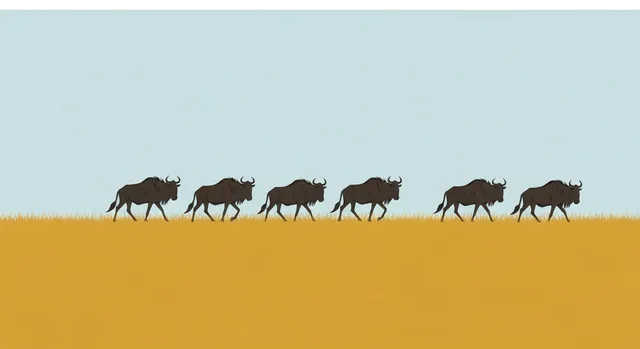
The Serengeti is a moving ecosystem, so 'when to go' is really a question of what you want to see. The Great Migration — roughly 1.5 million wildebeest with their zebra and gazelle companions — traces a clockwise loop through the year, following rain and new grass rather than a calendar. Layered on top of that loop are the weather, the crowds and the cost, all of which shift season to season. This hub pulls those threads together month by month so you can match your dates to the right chapter, then place your camp in the sector that chapter occupies.
Two principles run through every month. First, location before luxury: the best camp in the wrong sector misses the action, so let the month set the sector before you choose where to sleep. Second, verify: all migration timing here is a long-run average, and an early or late rainy season can move everything by weeks. Confirm current herd position close to your dates before you commit.
The year in four movements
Before you drill into a single month, it helps to hold the whole arc in your head. The Serengeti year falls into four broad movements, each with its own herd position, weather and mood.
- December–March — South & Ndutu: the herds gather on the southern short-grass plains; calving peaks around February, drawing the densest predator action of the year. Drier interlude, then building heat; open plains ideal for cheetah.
- April–June — West & the Grumeti: the long rains green everything and the herds move west and north-west toward their first river test. Lush, dramatic, quiet and better value, with heavier tracks.
- July–October — North & Kogatende: the dry-season headline. The herds reach the Mara River and the crossings peak around August. Clearest skies, easiest viewing, biggest crowds and highest rates.
- November — Turning south: the short rains break and the herds swing back toward the southern plains. Fresh greenery, fewer vehicles, an underrated shoulder window.
Jump to a single month
Each month has its own page with the herd's likely position, the wildlife to expect, the sector and camp to favour, the weather, the crowd levels and a cost strategy. Start with the headline months — calving in the south and the crossings in the north — and branch out from there.
If your dates are flexible, this is also where you weigh trade-offs: a peak dry-season month buys reliability and crossings at premium prices, while a green-season month buys atmosphere, value and solitude in exchange for some rain and heavier roads.
Crowds, cost and value by season
Weather and herds are only half the picture; the other half is how many other vehicles share the view and what the month costs. The long dry season — roughly June to October, peaking around the August crossings — is the busiest and most expensive stretch, with the best-placed northern camps booking out a year or more ahead. You are paying a premium for reliable viewing and front-row access to the migration's headline act.
The green low season flips that calculus. April and May, the heart of the long rains, are the quietest and best-value months: lush, dramatic, lightly visited, with lower rates and a real sense of having the plains to yourself. The trade-off is heavier roads and a chance of washed-out afternoons. November's short rains and the calving run-up in the south sit in between — shoulder windows that reward travellers who want a balance of greenery, value and wildlife without peak-season crowds.
- June–October: highest demand and rates; book peak northern camps furthest ahead.
- April–May: quietest and best value; heavier roads, some camps closed.
- November and the calving run-up: balanced shoulder windows for value and wildlife.

Turn the month into a booking
Once your month points you to a sector, the rest of the plan follows: choose a camp placed for that sector, decide whether to fly or drive, and weigh mobile against fixed for your comfort and proximity. The peak-season sectors — north for crossings, south for calving — hold the fewest well-placed camps and sell out furthest ahead, so early commitment matters most exactly when the wildlife is most predictable.
Whatever the month, finish by verifying. The herds answer to rain, not to a chart, so confirm current position and your camp's placement for your exact week before you book. Do that, and you will sleep where the story is unfolding rather than where last season's photograph was taken.
If your dates are fixed versus flexible
How you use this hub depends on how much your dates can move. If they are fixed — school holidays, annual leave, a special occasion — start from the month and work outward: read that month against the loop, accept the sector it points to, and build the best possible trip around that anchor rather than wishing for a different chapter. Every month delivers something worth travelling for; the task is to lean into what your month does best, whether that is calving, the crossings or resident big cats under dramatic green-season skies.
If your dates are flexible, the month-by-month pages become a menu. Decide which single spectacle matters most to you, then let it choose your travel window — north in the dry season for the Mara crossings, the southern plains in late summer for calving, or the quiet green months for value and solitude. Either way, the discipline is the same: settle the month, let it set the sector, place a well-sited camp there, and verify the herds before you book.

Related guides

The Great Migration, Month by Month
Where the wildebeest herds usually are in the Serengeti for each month of the year — calving in the south, the Grumeti in the west, the Mara crossings in the north — with the realistic odds of a river crossing and the right sector and camp to aim for.
Read guide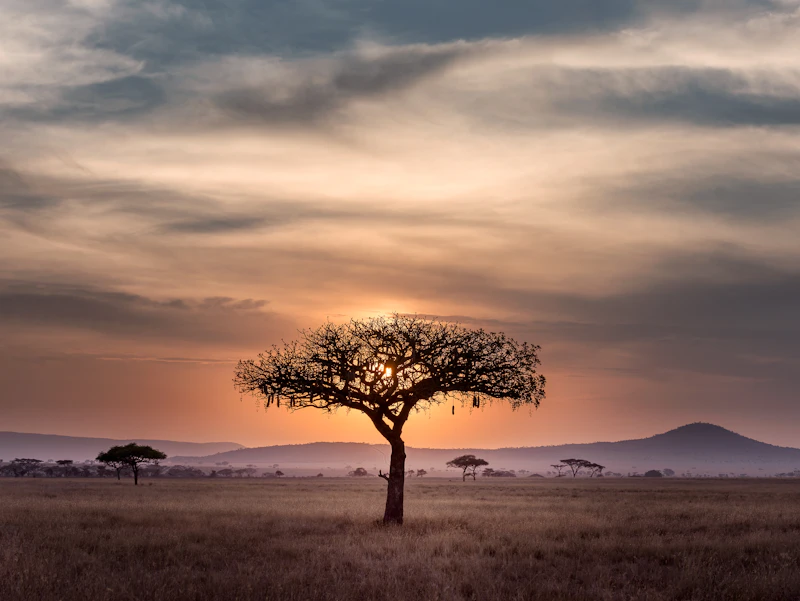
Best Time to Visit the Serengeti
The best time to visit the Serengeti depends on the event you most want to witness. Match the month to the migration — calving, river crossings or big-cat hunting — and build the rest of the trip around the herds, the weather, the crowds and your budget.
Read guide
Serengeti Weather & Rainfall Guide
How Serengeti weather works through the year — the long and short rains, the dry season, dust, daytime heat and chilly dawns — and how rainfall shapes the migration, the roads and what you pack.
Read guideMore in When to Go
6
Best Months for Serengeti Photography
Which Serengeti months deliver the photographs you want — dramatic light and dust, emerald plains, newborns, river crossings, big cats and fewer vehicles in your frame.
Read guide
Calving Season in the Serengeti
Calving season on the southern Serengeti plains around Ndutu — when roughly half a million wildebeest are born in about three weeks, why it draws the densest predator action of the year, and how to plan a green-season safari around it.
Read guide
Calving Season in the Serengeti (Ndutu)
Calving season on the southern Serengeti plains around Ndutu — when roughly half a million wildebeest are born in about three weeks, why it draws the densest predator action of the year, and how to plan a green-season safari around it.
Read guide
Calving Season vs River Crossings
Two faces of the Great Migration: the southern Ndutu calving in the green months, and the northern Mara crossings in the dry. Decide between them by wildlife, budget, crowds, predictability and the kind of drama you want.
Read guide
Christmas & New Year in the Serengeti
How to plan a Christmas or New Year safari in the Serengeti — green December plains, gathering herds, premium festive camps, family-friendly logistics and the flights that make a holiday trip work. Romantic, festive and worth booking early.
Read guide
Great Migration Planning Mistakes
The planning mistakes that make travellers miss the herds, overspend, or book the wrong Serengeti sector — and how to avoid each one so your dates, your camp and the migration actually line up.
Read guide