
Serengeti Game Drives: A Practical Guide
How game drives actually work in the Serengeti — the rhythm of a day, vehicle types, private versus shared, packed lunches, and what a realistic morning and afternoon on the plains looks like.

Photo: >>> niedblog.de / Unsplash
- ✓The game drive is the core activity of almost every Serengeti safari — hours spent rolling across the plains in a 4x4 in search of wildlife.
- ✓The best light and the most active animals come at the edges of the day, so drives are built around dawn and the late afternoon.
- ✓A private vehicle buys you control over timing and pace; a shared vehicle saves money but trades away some flexibility.
- ✓Most park rules keep you on the tracks and inside the vehicle, and ban off-road driving and night drives inside the national park — your guide will explain the etiquette.
- ✓Sightings are never guaranteed; a patient, well-briefed guide matters more than any checklist of species.
The heart of every safari
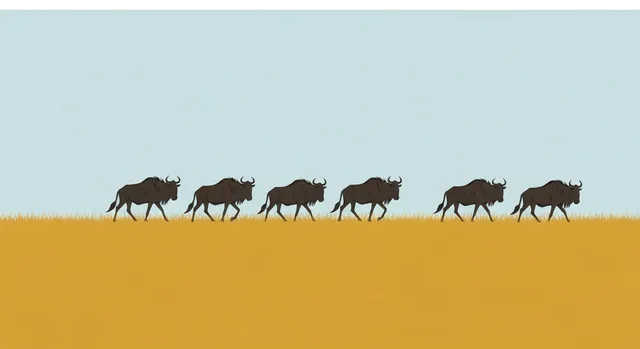
Strip a Serengeti safari back to its essence and you are left with the game drive: hours spent crossing the plains in an open or pop-top 4x4, reading the land for movement, following a guide's instinct towards a kopje, a riverbend or a circling vulture. Everything else — the camps, the flights, the bush breakfasts — is built around this single activity. It is where the safari actually happens, and understanding how a drive works is the difference between a passive sightseeing trip and an immersive day of wildlife watching.
A good game drive is slower and quieter than first-timers expect. There are long, beautiful stretches where nothing dramatic occurs and the plains simply roll past — and then a leopard unfolds itself from a fig tree, or a pride stirs at dusk, and the waiting pays off all at once. The pleasure is in the looking as much as the finding, and the rhythm of the day is designed to put you in the right place at the right light.
The rhythm of a day
Game drives are built around the edges of the day, because that is when the light is soft, the air is cool and the animals are most active. The classic structure is two drives. The morning drive leaves at or before dawn, often with a flask of coffee, to catch predators finishing the night's work and herbivores moving to graze before the heat. The afternoon drive heads out in the cooler hours and runs into the golden light before sunset, when the cats wake and the plains glow.
Around those two drives, the middle of the day belongs to the camp: brunch, a siesta through the harsh midday light, perhaps a swim if your lodge has a pool, then tea before the afternoon outing. The alternative — and it is one of the great safari experiences — is the full-day drive with a packed lunch, where you stay out from dawn to dusk, picnic in the shade of an acacia or at a designated rest area, and follow the action wherever it leads rather than returning to camp at noon. Full days are especially worthwhile during the migration, when a crossing can happen at any hour and you do not want to be back at camp when it does.
- Morning drive: out at or before dawn for the coolest air, the best light and the most active predators.
- Midday: back to camp for brunch and a siesta through the harsh light, or push on with a packed lunch.
- Afternoon drive: out again in the cooler hours, running into the golden hour before sunset.
- Full-day drive: dawn to dusk with a picnic lunch — the best option during the migration and for photographers.

At a glance
A quick reference for what a typical game-drive day involves before you read the detail below.
- Core activity: two drives a day (dawn and late afternoon) or one full day with a packed lunch.
- Vehicle: a 4x4 with a pop-up roof or open sides; soft suspension for long, rough tracks.
- Private vs shared: private buys control of timing and pace; shared saves money but compromises flexibility.
- Rules: stay on the tracks, remain inside the vehicle; off-road driving and night drives are not allowed inside the national park.
- Bring: layers, a hat, sunscreen, binoculars, a camera with a long lens, and patience.
- Pace: long quiet stretches punctuated by sudden, unforgettable sightings — the looking is the point.
Vehicle types and what to expect
Most Serengeti game drives happen in a purpose-built 4x4, and the two common styles are worth understanding before you book. The classic Northern Circuit drive-in vehicle is a Toyota Land Cruiser with a pop-up roof: you stand to watch and photograph through an open hatch while staying shaded and protected on long transfers. Many fly-in camps instead run open-sided 4x4s with no windows, which give an unobstructed, immersive view and superb photography but offer less protection from sun, dust and the dawn chill — bring layers.
Whatever the body style, the things that matter for a long day are the seats and the windows. Ask whether every guest gets a window or hatch seat — a vehicle crammed with strangers and a middle seat is a poor place to spend ten hours — and whether the vehicle carries a fridge, charging points and a beanbag or window mount if photography matters to you. A good guide and a well-kept vehicle do more for your day than any single feature on a spec sheet.
Packed lunches, breaks and the long day
On a full-day drive, lunch comes with you. Camps pack a picnic box — typically a cold protein, salad or pasta, fruit, something sweet and plenty of water — and you eat it at a designated picnic site or in the shade of a tree, watching the plains rather than racing back to camp. The Serengeti has marked rest areas and picnic spots, and your guide will know which are safe and pleasant; you cannot simply spread a blanket anywhere, both for your safety and the park's rules.
Comfort breaks are a practical reality on a long day. Toilets exist at the main gates, visitor centres and some picnic sites, but between them a discreet bush stop, organised by your guide somewhere safe and open, is normal. Bring sun protection, layers for the cold dawn and the wind through an open roof, and more water than you think you need. The reward for a full day out is the chance to be present for the unrepeatable moments — a hunt, a crossing, a kill — that rarely keep to a half-day schedule.
Etiquette, rules and safety
The Serengeti is a national park with rules that exist to protect both you and the wildlife, and your guide will keep you within them. The headline ones: you stay on the established tracks rather than driving off-road across the plains, you remain inside the vehicle except at designated areas, and you keep a respectful distance from animals — never crowding a sighting or blocking an animal's path. Off-road driving and night drives are not permitted inside the national park itself, though some adjacent private concessions and reserves allow them, which is one reason to ask where your camp sits.
Good sighting etiquette also makes for a better day. A calm, quiet vehicle sees more than a noisy one; sudden movement and raised voices can flush a leopard or spook a hunting cat. At a crowded sighting, patient guides take turns and keep their distance rather than jostling for position — a courtesy that matters most at the rare, fragile moments like a river crossing, where pressure from vehicles can disrupt the very event everyone came to see.

How to get the most from your drives
The travellers who come home happiest tend to share a few habits. They go slowly and stay out long, accepting the quiet stretches as the price of the dramatic ones. They lean on their guide — asking questions, learning to read tracks and alarm calls, and trusting a hunch over a checklist. And they manage expectations honestly: the Serengeti is one of the richest wildlife stages on earth, but it is wild, and no ethical guide promises a leopard or a crossing on demand. The magic is in the odds, not in guarantees.
Finally, match your drives to your season and sector. Central Seronera rewards game drives in any month with its dense resident lions and leopards; the southern plains during calving offer the most intense predator action of the year; the far north in the dry season puts you near the river crossings. Pick the sector that fits your dates, give yourself enough days to be patient, and let the guide and the light do the rest.

Related guides

Private Serengeti Safari
When a private vehicle and guide are worth it on a Serengeti safari — for timing, photography, families, flexibility and tracking the migration — and how a private trip differs from a shared one.
Read guide
Serengeti Safari Vehicle Guide
The Serengeti safari vehicle, explained — pop-top versus open-sided, private versus shared, seats and sightlines, charging and connectivity, photography setups, dust, and what makes the long drive days comfortable. The vehicle is where you live the safari, so choose it with care.
Read guide
Seronera & Central Serengeti
Seronera is the year-round big-cat heart of the Serengeti — a valley of rivers, granite kopjes and riverine figs where lions, leopards and cheetahs hold ground in every season. A full guide to what central Serengeti offers, its lodge and airstrip access, the crowd trade-off and how to plan a stay.
Read guideMore in Safari Types
6
Fly-In Serengeti Safari
How a fly-in Serengeti safari works — when to fly into Seronera, Kogatende, Grumeti or Ndutu, the light-aircraft hops from Arusha and Zanzibar, the strict baggage rules, and how flying changes your budget.
Read guide
Group Joining Serengeti Safari
How a group joining Serengeti safari works — the pros, the cons, the safety questions to ask and the itinerary checks to run — so a shared, budget-friendly safari still delivers the wildlife you came for.
Read guide
How Much a Serengeti Safari Costs
What a Serengeti safari really costs — the building blocks of park fees, accommodation, vehicles, flights and guiding, how season, sector and style move the total, and how to build a realistic per-person, per-day budget without quoting figures that go stale.
Read guide
Mobile Camps in the Serengeti
How seasonal mobile camps follow the migration around the Serengeti, what staying in one is really like, and who should choose canvas-that-moves over a permanent lodge.
Read guide
Night Drives Near the Serengeti
Where night drives are possible around the Serengeti — on the private concessions that border the park — and why they are not part of a standard game drive inside the national park itself. Honest, evergreen guidance on a nocturnal safari.
Read guide
Romantic Serengeti Safari
Soft-luxury ideas for couples in the Serengeti — intimate tented camps, private sundowners and bush dinners, a dawn balloon flight, a private vehicle, and the quiet sectors where you can have the plains to yourselves. Evergreen and built for two.
Read guide