
What a Serengeti Game Drive Day Is Like
An honest, hour-by-hour picture of a Serengeti game drive day — the cold pre-dawn start, the golden first hours, picnic or bush breakfast, the quieter middle of the day, the afternoon and golden-hour drive, and realistic pacing on long, dusty tracks.

Photo: Hana El Zohiry / Unsplash
- ✓Game drives start early — usually before or at dawn — because the first and last hours of light are when wildlife is most active and the plains are most beautiful.
- ✓A typical day is split: a long, productive morning drive, a quieter rest in the heat of midday, and a second drive into the golden light of late afternoon.
- ✓Some camps and concessions run a single long drive with a picnic lunch in the field, letting you follow the action without returning to camp.
- ✓Expect real time in the vehicle on corrugated tracks — comfortable, layered clothing and patience make the difference far more than luck.
- ✓Pacing is deliberately unhurried: a great guide will sit with a sighting for as long as it rewards you, rather than racing a checklist.
- ✓Days flex with the season, the sector and your camp's style — treat this as a typical shape, and confirm the exact rhythm with your operator.
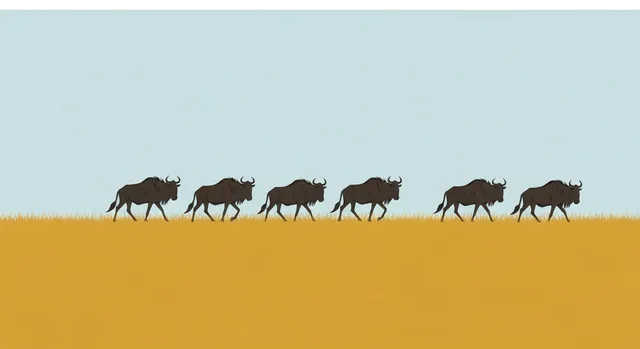
The shape of a day on the plains
There is a particular romance to the rhythm of a safari day, and it is worth knowing before you arrive so you can lean into it rather than be surprised by it. The Serengeti runs on light. The first hour after dawn and the last hour before dusk are when predators move, when the air is cool enough for animals to be active, and when the low sun turns the plains and the dust to gold. Everything about the day is built around catching those hours, which is why a game drive day begins early and ends late, with a deliberate lull in the hot, bright, sleepy middle when wildlife — and sensible travellers — rest in the shade.
The exact shape varies with your camp, your sector and the season, but the classic pattern is two drives bracketing a midday rest, or a single long drive with a picnic lunch carried into the field. Neither is better; they suit different days and different camps. What is constant is that the best moments are rarely scheduled. A leopard does not appear on a timetable, a river crossing happens when the herds decide, and a pride may sleep for hours and then explode into action at the worst possible angle for your camera. Understanding the day's rhythm — and accepting its unpredictability — is the difference between a frustrating trip and a transporting one.
At a glance: a typical game drive day
A quick orientation before the detail. This is a typical shape, not a fixed timetable — the exact rhythm flexes with your camp, sector and season, so confirm the plan with your operator.
- Pre-dawn wake-up, often with coffee or tea brought to your tent; dress in warm layers — it is cold.
- First drive at or before sunrise: the most active wildlife and the best light of the day.
- Breakfast either before leaving, or as a bush breakfast or picnic carried into the field.
- Midday lull: return to camp to rest, eat and escape the heat, or picnic in the shade on a full-day drive.
- Afternoon drive into golden hour, the second peak of activity and light, ending around sunset.
- Back to camp by gate-closing time for sundowners, dinner and the sounds of the night.
- Real hours in the vehicle on rough tracks — pack a layer, water, sun protection and patience.
The cold dark start and the golden first hours
Your day begins in the dark, and the first surprise for most travellers is the cold. The Serengeti sits high, and the hour before dawn on the open plains can be genuinely chilly, especially in an open-sided vehicle once you are moving and the wind of travel bites. Camps soften the wake-up with coffee, tea and sometimes a biscuit brought to your tent, and many provide blankets and even hot water bottles in the vehicle. Pull on every warm layer you brought — fleece, jacket, buff, the lot — because you can always peel them off as the sun climbs. The reward for that shivering start is immediate: you roll out as the eastern sky turns from grey to pink to molten gold, and the plains wake around you.
These first hours are the richest of the day. Predators that hunted or moved in the night are still active or settling, the air is cool enough for animals to be on their feet, and the low golden light is what photographers travel across the world for. This is when you are most likely to find lions on a kill, a cheetah scanning from a termite mound, a leopard descending from a tree, or the herds streaming across the grass. A good guide uses this window deliberately — heading for the spots most likely to be productive at dawn, reading tracks and alarm calls, and slowing right down when the signs are good. The pace is unhurried by design: the point is to be present for whatever unfolds, not to tick off a list before breakfast.
- Expect a cold, dark start — wear all your layers; camps provide coffee, blankets and sometimes hot water bottles.
- The first hours after dawn are the day's richest for predators, activity and golden light.
- Open vehicles are colder while moving but offer the best viewing and photography once the sun is up.
- A good guide reads tracks, alarm calls and the cool early window to find the day's best sightings.
Breakfast, the midday lull, and the full-day option
How breakfast and the middle of the day unfold depends on your camp's style, and both versions have their charm. On a classic two-drive day, you either eat a full breakfast before the dawn drive and return to camp mid-morning, or carry a bush breakfast into the field — one of the great small pleasures of safari, eating eggs and fruit and good coffee on a folding table set up on the plains, with a view that no restaurant on earth can match. The morning drive winds down as the heat builds and animals seek shade, and you head back to camp for an early lunch and a proper rest through the hot, bright, sleepy middle of the day. That midday lull is not wasted time; it mirrors the animals' own rhythm, and a siesta, a swim if the camp has a pool, a shower and a quiet read leave you fresh for the afternoon.
Some camps, sectors and full-day itineraries run differently: a single long drive that pushes through the middle of the day with a packed picnic lunch eaten in the shade of an acacia or at a designated picnic site. This suits days when the action is far from camp — chasing the migration in the north, say, or covering ground in the Western Corridor — because it lets you stay out with the wildlife instead of losing hours driving back and forth. The trade-off is a longer, dustier day with less downtime, so it is not for every day of a trip. Many travellers do a mix: full-day drives when the herds demand it, two-drive days when they want the midday rest. Your operator will shape this around the season, the sector and your appetite for time in the vehicle.
- Breakfast is taken before the drive, back at camp mid-morning, or as a memorable bush breakfast in the field.
- Classic days include a midday rest at camp — siesta, swim, shower — mirroring the animals' own lull.
- Full-day drives carry a picnic lunch and stay out, ideal when the action is far from camp.
- Full days are longer and dustier with less downtime; many trips mix the two formats.
- Your operator balances format against the season, sector and how much vehicle time you want.
The afternoon drive, golden hour and the journey home
As the worst of the heat passes, usually in the mid-afternoon, you head out again, and the day's second act begins. The afternoon drive builds towards golden hour — that last stretch before sunset when the light goes soft and amber, animals stir for the cool of evening, and the plains glow. It is the mirror of the dawn drive and just as productive: predators rousing to hunt, elephants and giraffe browsing in the gentler light, the herds restless and moving. Many guides aim to be somewhere beautiful and promising for the last half-hour, and on many trips this is when the day delivers its most cinematic sightings and photographs. A sundowner — a drink and a snack at a scenic spot as the sun goes down — is a beloved tradition where the rules and your camp allow it.
Inside the national park, game drives are confined to daylight and you must be back within gate-closing hours, so the homeward leg is timed to beat the dark; on some private concessions outside the core park, a night drive or a later return may be possible under their own rules. The drive back to camp at dusk has its own quiet magic — the day's heat gone, the first stars appearing, perhaps a final silhouette on the horizon. Back at camp there are sundowners or dinner, the day's sightings recounted, and then the extraordinary soundtrack of the Serengeti night: distant lions, whooping hyenas, the rasp of insects. You fall asleep tired in the best way, knowing the cold dark start comes again before dawn — and that you would not have it any other way.
- The afternoon drive builds towards golden hour, the day's second peak of light and activity.
- Sundowners — a drink at a scenic spot at sunset — are a cherished tradition where permitted.
- Inside the national park, drives are daylight-only; be back by gate-closing time.
- Some private concessions allow night drives or later returns under their own rules.
- Evenings bring dinner, shared sighting stories and the unforgettable sounds of the night.
Realistic pacing: time, dust and patience
It helps to arrive with honest expectations about the physical reality of a game drive day. You will spend real hours in a vehicle, on corrugated earth tracks that rattle and jolt, and you will get dusty in the dry season or rained on in the green one. There can be long stretches between sightings where you simply drive across vast, beautiful, apparently empty plains — and then a single turn reveals a pride on a kill. This is not a theme park with guaranteed action every ten minutes; it is genuine wilderness, and the pacing reflects that. The travellers who love it most are the ones who relax into the rhythm, watch the landscape and the birds in the quiet stretches, and trust that patience pays.
That trust is well placed, because patience is the real currency of great wildlife viewing. A skilled guide will sit with a promising sighting for as long as it rewards you — waiting out a leopard that might descend, a cheetah that might hunt, a lioness whose flicking tail says something is about to happen — rather than rushing on to tick off the next species. Some of the most extraordinary moments on safari come to those who wait. Comfortable layered clothing, sun and dust protection, water within reach, and a willingness to be unhurried matter far more than luck. Understand the shape of the day, embrace its slow middle and its electric edges, and a Serengeti game drive day becomes one of the most quietly perfect rhythms you will ever live.
- Expect genuine hours in the vehicle on rough tracks, with quiet stretches between sightings.
- Dress in comfortable layers, keep sun and dust protection and water within reach.
- Patience is the real currency — great guides wait out a sighting rather than racing a checklist.
- Relax into the rhythm: the quiet middle and the electric edges are both part of the magic.
- Treat this as a typical shape and confirm the exact daily plan with your operator.

Related guides

Serengeti Game Drives: A Practical Guide
How game drives actually work in the Serengeti — the rhythm of a day, vehicle types, private versus shared, packed lunches, and what a realistic morning and afternoon on the plains looks like.
Read guide
Serengeti Safari Vehicle Guide
The Serengeti safari vehicle, explained — pop-top versus open-sided, private versus shared, seats and sightlines, charging and connectivity, photography setups, dust, and what makes the long drive days comfortable. The vehicle is where you live the safari, so choose it with care.
Read guide
What to Pack for the Serengeti: A Complete Safari Packing Guide
A complete, season-aware packing guide for a Serengeti safari — soft bags for light aircraft, layers for cold dawns and hot middays, the right colours, dust and sun protection, camera gear, a medical kit and the small things that make the difference on the plains.
Read guideMore in Getting There
6
Accessible Serengeti Safari Planning
How to plan an accessible Serengeti safari — adapted vehicles and transfers, level camps and bathrooms, airstrip and fly-in considerations, medical support and evacuation, and why a private, tailored trip is usually the key to travelling well with mobility or other needs.
Read guide
Arusha to the Serengeti
How to get from Arusha to the Serengeti — the overland drive through Ngorongoro, the light-aircraft fly-in, and the overnight-routing options — with the time, comfort and cost trade-offs of each.
Read guide
Bush Flight Luggage Rules for the Serengeti
How luggage works on a Serengeti safari — the strict soft-bag and weight rules for light bush aircraft, what counts toward your allowance, how to pack camera gear, and how the same bags ride in a safari vehicle.
Read guide
Driving to the Serengeti: Roads, Timing and the Long-Haul Reality
What driving to the Serengeti is really like — the road route from Arusha through Ngorongoro, gate timing, road conditions in the dry and the rains, vehicle choice, and why nearly everyone travels with an operator rather than self-driving.
Read guide
Drone Rules in the Serengeti: Why They're Restricted and What to Do Instead
Why drones are restricted in the Serengeti, why general visitors should not assume they can fly one, what a permit would realistically involve, and the better ways to capture sweeping aerial-style images of the plains — from a balloon flight to a long lens.
Read guide
Food & Drink on a Serengeti Safari
What eating and drinking on a Serengeti safari is really like — camp meals from budget to ultra-luxury, bush breakfasts and picnic lunches, sundowners and the bar, drinking water, and how camps handle dietary needs, allergies and children.
Read guide