
Serengeti Park Rules: How to Travel the Plains Responsibly
The rules that govern a Serengeti safari — staying on the roads, off-road restrictions, keeping your distance from wildlife, speed limits, gate hours, drones, litter and quiet, ethical viewing — and why they protect both the animals and the magic of the place.

Photo: Samson Simon / Unsplash
- ✓The Serengeti is a national park run by the Tanzania National Parks Authority (TANAPA), and its rules exist to protect the wildlife, the landscape and the experience itself — they are not red tape, they are the reason the place is still wild.
- ✓Core rules cover staying on designated tracks, keeping a respectful distance from animals, observing speed limits, sticking to gate and game-drive hours, and never feeding, chasing or disturbing wildlife.
- ✓Off-road driving is restricted across most of the park to stop the plains being scarred by tyre tracks; some private concessions allow limited off-road, but the core park does not.
- ✓Drones are prohibited for general visitors without specific authorisation, litter must leave with you, and night driving is not permitted inside the national park.
- ✓Most travellers experience these rules through a licensed guide who enforces them automatically — but understanding why they matter makes you a better, more welcome visitor.
- ✓Rules and hours are reviewed periodically, so treat specifics here as evergreen and confirm the current regulations with TANAPA or your operator before travel.
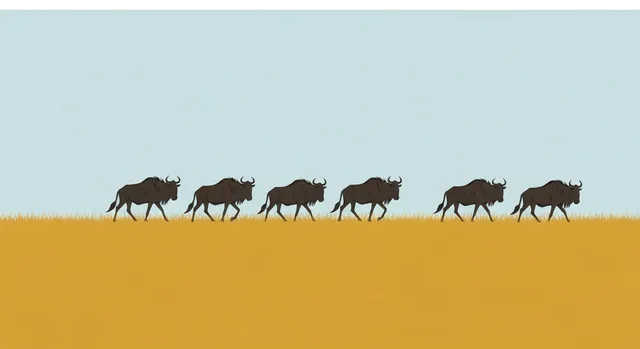
Why the rules are the romance, not the red tape
There is a temptation to read a list of park rules as a list of things you cannot do — a bureaucratic fence around the wonder. The Serengeti rewards the opposite instinct. Every rule here exists for a single reason: to keep this ecosystem exactly as wild, undisturbed and breathtaking as it has been for hundreds of thousands of years. The lions sprawled in the morning sun, the cheetah scanning the open plain, the wildebeest pouring across the horizon in their millions — none of that survives crowding, chasing, noise and tyre-scarred grass. The rules are the quiet contract every visitor signs in exchange for the privilege of being here, and the most moving moments on safari come precisely because the park is protected this carefully.
The Serengeti is a national park managed by the Tanzania National Parks Authority, TANAPA, and its regulations are enforced by rangers across a vast, roughly fourteen-and-a-half-thousand-square-kilometre wilderness. For most travellers, the rules are invisible in practice because a licensed guide observes them as second nature — staying on the tracks, holding back from a sighting, switching off the engine and letting a leopard come to you rather than the other way round. But knowing the rules yourself turns you from a passenger into a partner in the experience. It also means you will recognise good conduct from bad, and choose an operator who treats the park, and its animals, with the respect they deserve.
At a glance: the Serengeti rules that matter most
A quick orientation before the detail. Everything below is evergreen — confirm current regulations, gate hours and any concession-specific exceptions with TANAPA or your operator close to travel.
- Stay on designated roads and tracks — off-road driving is restricted across most of the national park.
- Keep a respectful distance from all wildlife; never crowd, chase, corner or block the movement of an animal.
- Never feed wildlife, and never get out of the vehicle except at designated safe areas.
- Observe the park speed limit — it protects animals crossing tracks and reduces dust and disturbance.
- Respect gate opening and closing hours; game drives are confined to daylight inside the national park.
- Drones are not permitted for general visitors without specific authorisation.
- Take all litter out with you — nothing is left behind, including organic waste and cigarette ends.
- Keep noise down: low voices, no music, engines off at sightings where appropriate.
Staying on the roads — and the off-road question
The single most important driving rule in the Serengeti is to stay on the designated tracks. The plains look endless and empty, which is exactly why this matters: a single vehicle cutting across virgin grass leaves a scar that can last for years, and a hundred vehicles doing the same turns a pristine plain into a web of ruts. The road network is deliberately limited so that the overwhelming majority of the landscape stays untouched, and rangers take off-road driving inside the national park seriously. Resist the urge to ask a guide to leave the track for a closer photo; a good guide will decline, and the better picture is almost always the one that respects the animal and the ground anyway.
There is a nuance worth understanding. Some private concessions and wildlife management areas bordering or within the wider ecosystem permit limited off-road driving and other activities that the core national park does not — which is one reason staying on a private concession can feel more flexible. But inside the Serengeti National Park itself, the rule is to stay on the roads, and exceptions are rare and specifically authorised. If off-road sightings and walking matter to you, that is a reason to discuss concession-based camps with your operator, not a reason to bend the park's rules. Either way, confirm what is and is not permitted for your exact camps and route before you travel.
- Inside the national park: stay on designated tracks — off-road driving is restricted to protect the plains.
- Some private concessions allow limited off-road and walking; the core park does not.
- Off-road scarring lasts for years and multiplies fast across a heavily visited sighting.
- If flexibility matters, choose a concession-based camp rather than asking a park guide to break the rules.
Distance, behaviour and the animals' right of way
The wildlife always has right of way. Keeping a respectful distance is both a rule and the heart of ethical viewing: animals must never be crowded, chased, cornered or prevented from moving where they want to go. A predator on a hunt should never be pressured by vehicles; a herd crossing a track should be allowed to pass; a mother and her young should be given space. Feeding wildlife is strictly prohibited — it is dangerous, it habituates animals to people, and it can ultimately get an animal killed. So is getting out of your vehicle anywhere other than the few designated safe areas, because the Serengeti is genuinely wild and its animals are not tame, however calm a lion may look in the morning sun.
Good behaviour at a sighting is as much about manners as rules. The most magical encounters happen when vehicles approach slowly, keep their distance, switch off the engine and simply let the scene unfold. Low voices carry less, music has no place on the plains, and patience is rewarded far more often than pushiness. When several vehicles share a sighting, the etiquette is to take turns, hold back, and never block another's view or the animal's path. None of this dilutes the experience — it deepens it. The quietest, most respectful encounters are almost always the ones travellers remember for the rest of their lives.
- Never feed, chase, crowd or corner any animal — wildlife always has right of way.
- Stay inside the vehicle except at designated safe areas; the park is genuinely wild.
- At a sighting, approach slowly, hold your distance and cut the engine where appropriate.
- Keep voices low and leave the music behind — sound disturbs animals and other guests.
- Share sightings courteously: take turns, never block a view or an animal's escape route.
Speed, hours, drones, litter and night driving
A handful of practical rules round out responsible conduct in the park. There is a speed limit on the tracks, and it exists for good reasons: animals cross roads constantly, speeding kicks up dust and disturbance, and the corrugated surfaces are unforgiving. Gate opening and closing hours are fixed, and game drives inside the national park are confined to daylight — night driving is not permitted within the park itself, although some private concessions outside the core park offer night drives under their own rules. Build your days around the gate hours rather than against them; arriving late risks being shut out entirely.
Two more rules catch visitors out. Drones are not permitted for general visitors without specific authorisation, both for the wildlife's sake and for the privacy and safety of others — it is a serious restriction, not a grey area, so do not assume you can fly one. And litter is simply not left behind: everything you bring in leaves with you, down to organic scraps and cigarette ends, which can harm animals or alter their behaviour. The principle underneath all of it is the same one that runs through every rule in the park: leave no trace, take only photographs, and let the Serengeti remain exactly as wild for the next traveller as it was for you. Because hours and regulations are reviewed from time to time, confirm the current rules with TANAPA or your operator before you go.
- Observe the park speed limit — it protects crossing animals and limits dust and disturbance.
- Respect fixed gate hours; game drives in the national park are confined to daylight.
- Night driving is not permitted inside the national park (some private concessions differ).
- Drones are prohibited for general visitors without specific authorisation — do not assume.
- Carry out all litter, including organic waste — leave no trace on the plains.
Why drones are restricted, what authorisation requires, and the safer alternatives.
Serengeti night drivesWhere night drives are possible — on private concessions, not the core park.
Serengeti conservation guideThe bigger picture: how rules, fees and rangers keep the ecosystem intact.
Common questions about Serengeti park rules
A few rule questions come up on almost every trip — here are honest, evergreen answers, with the standing reminder to confirm current regulations officially or through your operator.
- Can I drive off-road in the Serengeti? No, not in the national park — off-road driving is restricted to protect the plains. Some private concessions permit it under their own rules.
- How close can we get to the animals? You must keep a respectful distance and never crowd, chase or corner wildlife. A good guide judges the safe, ethical distance for you.
- Can I use a drone in the Serengeti? Not as a general visitor without specific authorisation. Drones are prohibited for the wildlife's sake and others' privacy and safety.
- Are night drives allowed? Not inside the national park, where game drives are confined to daylight. Some private concessions outside the core park offer night drives.
- Can I get out of the vehicle? Only at designated safe areas. The Serengeti is genuinely wild and its animals are not tame, however calm they appear.
- What about litter and feeding animals? Carry out everything you bring in, and never feed wildlife — feeding is dangerous, harmful and strictly prohibited.
- Will I have to remember all this myself? On a guided trip your licensed guide enforces the rules automatically. Knowing them simply makes you a better, more welcome visitor.

Related guides

Wildlife Viewing Etiquette in the Serengeti
How to watch Serengeti wildlife responsibly — keeping a respectful distance, never crowding a sighting, staying quiet, never feeding animals, and giving the herds room at fragile moments like a river crossing.
Read guide
Serengeti Private Concessions Guide
How private concessions and conservancies around the Serengeti differ from the national park — off-road driving, night drives and walking, fewer vehicles — and who should pay the premium for them.
Read guide
Drone Rules in the Serengeti: Why They're Restricted and What to Do Instead
Why drones are restricted in the Serengeti, why general visitors should not assume they can fly one, what a permit would realistically involve, and the better ways to capture sweeping aerial-style images of the plains — from a balloon flight to a long lens.
Read guideMore in Getting There
6
Accessible Serengeti Safari Planning
How to plan an accessible Serengeti safari — adapted vehicles and transfers, level camps and bathrooms, airstrip and fly-in considerations, medical support and evacuation, and why a private, tailored trip is usually the key to travelling well with mobility or other needs.
Read guide
Arusha to the Serengeti
How to get from Arusha to the Serengeti — the overland drive through Ngorongoro, the light-aircraft fly-in, and the overnight-routing options — with the time, comfort and cost trade-offs of each.
Read guide
Bush Flight Luggage Rules for the Serengeti
How luggage works on a Serengeti safari — the strict soft-bag and weight rules for light bush aircraft, what counts toward your allowance, how to pack camera gear, and how the same bags ride in a safari vehicle.
Read guide
Driving to the Serengeti: Roads, Timing and the Long-Haul Reality
What driving to the Serengeti is really like — the road route from Arusha through Ngorongoro, gate timing, road conditions in the dry and the rains, vehicle choice, and why nearly everyone travels with an operator rather than self-driving.
Read guide
Food & Drink on a Serengeti Safari
What eating and drinking on a Serengeti safari is really like — camp meals from budget to ultra-luxury, bush breakfasts and picnic lunches, sundowners and the bar, drinking water, and how camps handle dietary needs, allergies and children.
Read guide
Grumeti Airstrip: Flying Into the Western Serengeti
A full guide to the Grumeti airstrip in the Western Serengeti — the fly-in gateway to the corridor's luxury camps and private concessions, when it makes sense for the migration's first river crossings, and how the light-aircraft hop from Arusha works.
Read guide