
Serengeti in December
December settles the herds back toward the south: green plains, gathering wildebeest ahead of calving, and the festive-season buzz that lifts demand at the better camps. A lush, lively month that rewards booking early.

Photo: Justin Lane / Unsplash
- ✓December usually sees the herds continue or complete their move south, gathering on the southern short-grass plains on a 30-year average.
- ✓It is the quiet build-up to calving season, with newborns sometimes appearing late in the month ahead of the February peak.
- ✓Plains are green and dramatic after the short rains, which typically ease into shorter, lighter showers as the month goes on.
- ✓The festive period — roughly Christmas and New Year — lifts demand and rates at the best camps, so book well ahead.
- ✓All migration timing is a long-run average; the herds follow the rains, not the calendar, so verify the live picture before booking.
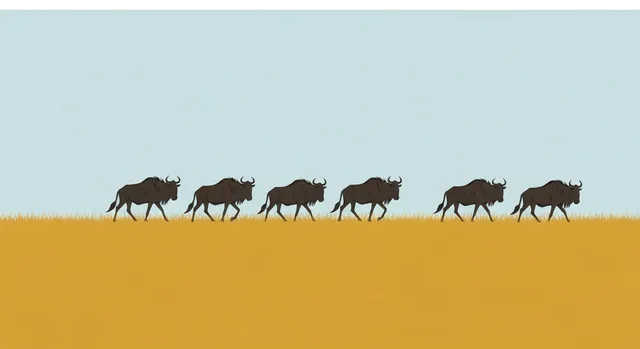
Green plains and the gathering herds
December finds the Serengeti at its lushest. The short rains have greened the country, the southern plains are carpeted in fresh short grass, and the herds that swung south through November continue to gather on the open Ndutu and southern plains where they will eventually calve. It is a month of anticipation — the migration settling into its calving ground, the ecosystem brimming, and the first newborns sometimes arriving in the final days before the February peak.
There is a particular warmth to December on the plains. The light is soft and clean after rain, the grass glows green to every horizon, and the festive season brings a gentle buzz to the camps. For travellers timing a holiday safari, it pairs the romance of the green season with the building drama of the herds drawing together — a lush, lively chapter of the Serengeti year.
Where the herds usually are in December
On the long-run average, December is when the migration completes its return to the south. After greening through November, the southern short-grass plains around Ndutu draw the herds down off the central Serengeti, and large numbers typically spread across this open, nutrient-rich country by mid-to-late month. This is the staging ground for calving: the wildebeest fatten on the new grass and concentrate, and the first calves can appear toward the end of December, foreshadowing the great birthing pulse of late January and February.
The familiar honesty applies: these are 30-year averages, and the exact picture depends on the rains. A patchy short-rains season can leave the herds more scattered between the centre and the south; a generous one pulls them down decisively. There are no river crossings to chase in December — the story is gathering and renewal, not the Mara. If you want to be among the herds, an Ndutu or southern-leaning base gives the best odds, but always verify the live picture with your operator before committing.
- Most likely pattern: herds gathering on the southern short-grass plains around Ndutu.
- Possible bonus: the first calves late in the month, ahead of the February peak.
- No Mara crossings — December is calving build-up, not river drama.
Weather, festive demand and what to pack
December weather is green-season weather, usually gentler than November's first storms. The short rains typically ease into shorter, lighter afternoon showers as the month progresses, with many warm, bright mornings ideal for game drives. Skies stay dramatic and the plains stay green, while the heat is tempered by the rains and the altitude. The trade-off is the odd heavy track after a downpour and the chance of a passing storm, both easily managed with a good guide and vehicle.
The other thing to plan around in December is demand. The festive period — roughly the run from Christmas to New Year — is one of the busier and pricier windows of the year, as families and holidaymakers fill the best camps. If you want to travel over the holidays, book well ahead and expect peak-festive rates; travel in early or mid-December and you often find a quieter, better-value version of the same green, herd-gathering month. Pack light layers, a rain shell, sun protection for the high-altitude light and care for camera gear against showers.
December also rewards an understanding of the month's split personality. The first three weeks are firmly green low season in feel: lush, lively, gently priced and uncrowded, with the herds gathering and the bird life rich as migrants fill the wetlands. Then, around the final week, the festive surge arrives and the park's best camps brim with celebration. Knowing which December you are booking matters enormously for both budget and atmosphere. For travellers who want the green-season magic without the holiday premium, early December is one of the year's quiet sweet spots; for those who want the occasion, the festive week delivers a buzz the rest of the year cannot match.
Planning a December safari
December rewards a clear choice between two versions of the month. Early to mid-December is the quieter, better-value green season: lush plains, gathering herds and gentle demand. Late December, over the holidays, is festive and premium, with the best camps full and the buzz of the season — but also the building promise of calving and the first newborns. Either way, a southern or Ndutu-leaning base puts you closest to the migration as it settles, while a central Seronera camp keeps you flexible and strong on resident wildlife.
As a green-season month, December combines well with the rest of the Northern Circuit. Pair the southern plains with the Ngorongoro Crater and Tarangire on the way in, or finish a festive trip on Zanzibar's warm sand. For travellers weighing the calendar, December offers lush scenery, the anticipation of calving and real holiday romance — at the cost of higher demand over the festive peak, which simply means booking early.
If your priority is the calving spectacle itself, remember that December is the build-up rather than the peak — the great pulse of births comes in late January and February. December's gift is the gathering and the green: vast herds drawing together on fresh plains, the first tentative newborns, big skies and cinematic light, all with fewer vehicles than the dry-season crossings draw. It is a month for travellers who value atmosphere, scenery and anticipation as much as guaranteed action, and who appreciate that the wild Serengeti reveals its story on its own schedule. Verify the live herd position for your exact dates, choose a southern or central base accordingly, and December rewards you with one of the loveliest faces of the Serengeti year.
Related guides

Southern Serengeti Migration Guide
When the southern Serengeti plains and Ndutu make sense for the Great Migration — the green-season calving window, the predators it draws, and how to plan a mobile-camp safari around the herds. An honest, evergreen guide to migration timing in the south.
Read guide
Christmas & New Year in the Serengeti
How to plan a Christmas or New Year safari in the Serengeti — green December plains, gathering herds, premium festive camps, family-friendly logistics and the flights that make a holiday trip work. Romantic, festive and worth booking early.
Read guide
Ndutu Safari Guide
Everything to know before a Ndutu safari — the calving heartland on the southern Serengeti edge, why it sits in the Ngorongoro Conservation Area rather than the national park, its off-road and fee implications, the best season, where to stay and how it fits a wider itinerary.
Read guideMore in When to Go
6
Best Months for Serengeti Photography
Which Serengeti months deliver the photographs you want — dramatic light and dust, emerald plains, newborns, river crossings, big cats and fewer vehicles in your frame.
Read guide
Calving Season in the Serengeti
Calving season on the southern Serengeti plains around Ndutu — when roughly half a million wildebeest are born in about three weeks, why it draws the densest predator action of the year, and how to plan a green-season safari around it.
Read guide
Calving Season in the Serengeti (Ndutu)
Calving season on the southern Serengeti plains around Ndutu — when roughly half a million wildebeest are born in about three weeks, why it draws the densest predator action of the year, and how to plan a green-season safari around it.
Read guide
Calving Season vs River Crossings
Two faces of the Great Migration: the southern Ndutu calving in the green months, and the northern Mara crossings in the dry. Decide between them by wildlife, budget, crowds, predictability and the kind of drama you want.
Read guide
Great Migration Planning Mistakes
The planning mistakes that make travellers miss the herds, overspend, or book the wrong Serengeti sector — and how to avoid each one so your dates, your camp and the migration actually line up.
Read guide
How to Choose a Migration Camp
Match a Serengeti camp to your month, the migration phase, the nearest airstrip, your budget and your wildlife goal — so you sleep where the herds will be, not where the brochure photo was taken.
Read guide