
Serengeti in April
April is the low season in the Serengeti: the long rains green the plains, crowds thin to almost nothing and value is at its best — with the trade-offs of heavy tracks, scattered herds and a real chance of rain.

Photo: Kinyua Seaman / Unsplash
- ✓April is the heart of the long rains — the lushest, quietest and best-value month of the Serengeti year.
- ✓The migration is typically on the move, drifting north and west off the southern plains toward the Western Corridor; herds are more scattered and harder to predict.
- ✓Plains are emerald and dramatic, vehicles few, and rates at their lowest — the trade for genuine rain and heavier going underfoot.
- ✓Some tracks turn muddy and a few seasonal camps close; resident wildlife around Seronera stays put all year.
- ✓Migration timing is a 30-year average and especially fluid in April — verify your dates and choose a flexible, well-placed base.
Where the herds are in April
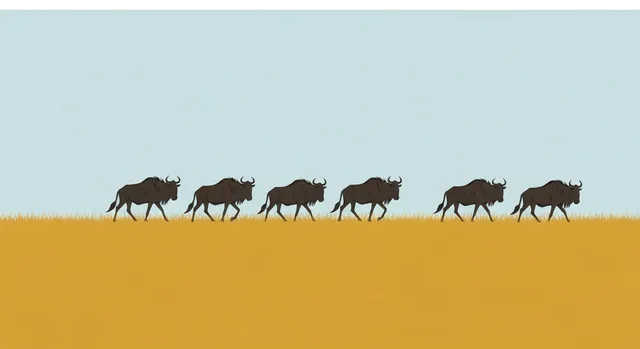
April is the most unpredictable month of the migration year, and that is part of its character. The long rains are in full swing, the southern short-grass plains have served their calving purpose, and the herds are typically on the move — drifting north and west in scattered, shifting columns toward the central woodlands and the Western Corridor. There is no single place to point to and say 'the migration is here'; rather, the ecosystem is in motion.
In some years you will find good concentrations around the central Seronera area or beginning to test the western woodlands; in others the herds are strung out across a huge swathe of country. This fluidity is exactly why April is a month for managing expectations and choosing a flexible base, rather than chasing a guaranteed spectacle. Treat any timing as a long-term average and confirm the live picture for your exact dates.
April at a glance
A planning snapshot for the low season. Set expectations with it, then verify the live migration picture, track conditions and current fees before booking.
- Migration: on the move, drifting north and west; scattered and hard to predict (30-year average; verify).
- Weather: the long rains — the wettest month, with heavier, more sustained rainfall.
- Wildlife: lush plains, resident game reliable; herds dispersed, sightings need patience.
- Crowds & value: the quietest, lowest-priced month of the year.
- Best for: budget-minded and crowd-averse travellers, green-season photographers, return visitors.
- Best sector to base in: central Seronera for reliable resident wildlife and all-weather access.
The long rains: what to expect
April is usually the wettest month in the Serengeti. The long rains bring heavier, more sustained downpours than the short, theatrical storms of the green months, and rain can settle in for longer stretches rather than passing quickly. Black-cotton soils turn sticky, some tracks become difficult or temporarily impassable, and a number of seasonal camps close for the season. Days are warm and humid between the showers.
This is the honest trade-off of low season. In return you get a Serengeti almost to yourself: emerald plains stretching to the horizon, skies stacked with cloud and the occasional rainbow, washed-clean air and a stillness the peak months never offer. Photographers who embrace the mood find April spectacular. Come prepared with proper waterproofs, layers for cool wet mornings, and thorough rain-and-dust protection for camera gear — and build patience and flexibility into the plan.
Why April still rewards: value and solitude
For travellers who can handle some rain, April delivers two things money usually can't buy in the dry season: solitude and value. Vehicle numbers fall away, sightings are often shared with no one, and the sense of having the great plains to yourself is real. Rates are typically at their lowest of the year, making this the strongest-value window for a Serengeti safari — sometimes the difference between a trip that fits the budget and one that doesn't.
And the wildlife does not vanish with the herds. Resident animals stay put year-round, and the central Seronera valley — with its rivers, woodlands and granite kopjes — remains a dependable stage for lion, leopard and a broad cast of plains game whatever the migration is doing. A leopard draped in a riverine fig, a lion pride on a kopje at dawn: April still serves these up, just to a far smaller audience. Sightings are never guaranteed, but a good guide who knows the resident territories is worth their weight in this month.
Access, basing and combining
Access is the practical theme of an April safari. Heavy tracks make drive-in days slower and rougher, so many travellers favour a fly-in to a bush airstrip near a central, all-weather camp to sidestep the worst of the mud. Whichever you choose, base yourself somewhere with reliable year-round game viewing — central Seronera is the natural pick — and keep itineraries flexible, since both the herds and the roads can move on you.
April still combines with the Northern Circuit, though wet roads can slow the overland legs through Ngorongoro and Tarangire; allow buffer time, or lean on flights. A beach finish on Zanzibar is an easy contrast, and the islands sit in their own rainy spell around now, so check conditions there too. Park fees, conservation levies and camp rates change over time and some camps close for the season — confirm openings and current figures with official and operator sources before committing.
Related guides

Serengeti Rainy Season Safari
How to plan a Serengeti safari around the long rains — road conditions, possible lodge closures, emerald scenery and the lowest visitor numbers of the year — and why the green season is quietly magical.
Read guide
Serengeti Green Season Safari
Why the Serengeti's green season can be the best-value, most beautiful time to go — calving on the southern plains, dramatic light and storm skies, superb birding, lush landscapes, fewer vehicles and gentler rates.
Read guide
Serengeti Road Safari
How a Serengeti road safari from Arusha works — the drive in through Ngorongoro, the long transfers and park gates, vehicle comfort, and why driving costs less but asks more of your time.
Read guideMore in When to Go
6
Best Months for Serengeti Photography
Which Serengeti months deliver the photographs you want — dramatic light and dust, emerald plains, newborns, river crossings, big cats and fewer vehicles in your frame.
Read guide
Calving Season in the Serengeti
Calving season on the southern Serengeti plains around Ndutu — when roughly half a million wildebeest are born in about three weeks, why it draws the densest predator action of the year, and how to plan a green-season safari around it.
Read guide
Calving Season in the Serengeti (Ndutu)
Calving season on the southern Serengeti plains around Ndutu — when roughly half a million wildebeest are born in about three weeks, why it draws the densest predator action of the year, and how to plan a green-season safari around it.
Read guide
Calving Season vs River Crossings
Two faces of the Great Migration: the southern Ndutu calving in the green months, and the northern Mara crossings in the dry. Decide between them by wildlife, budget, crowds, predictability and the kind of drama you want.
Read guide
Christmas & New Year in the Serengeti
How to plan a Christmas or New Year safari in the Serengeti — green December plains, gathering herds, premium festive camps, family-friendly logistics and the flights that make a holiday trip work. Romantic, festive and worth booking early.
Read guideGreat Migration Planning Mistakes
The planning mistakes that make travellers miss the herds, overspend, or book the wrong Serengeti sector — and how to avoid each one so your dates, your camp and the migration actually line up.
Read guide