
Lobo Airstrip: Reaching the Northeastern Serengeti
A full guide to Lobo airstrip in the northeastern Serengeti — when this remote strip makes sense for the kopje-strewn Lobo country, the migration's return south, and the quiet camps that few travellers ever reach.

Photo: Catherine Merlin / Unsplash
- ✓Lobo is a remote airstrip in the northeastern Serengeti, serving the kopje-strewn Lobo country between central Seronera and the far-northern crossing zone.
- ✓It comes into its own around November and into the early new year, when the migration tracks back south through the northeast on its return loop — a 30-year average, so verify for your dates.
- ✓Flying in spares you the long, rough drive to one of the park's quieter sectors, and lands you among granite kopjes and resident big cats.
- ✓Light-aircraft baggage rules are strict: soft duffel bags only, with firm weight limits and schedules that flex with demand and weather.
- ✓Camps in the Lobo area are few and far between — part of the appeal — so book early and keep figures to your operator and official sources.
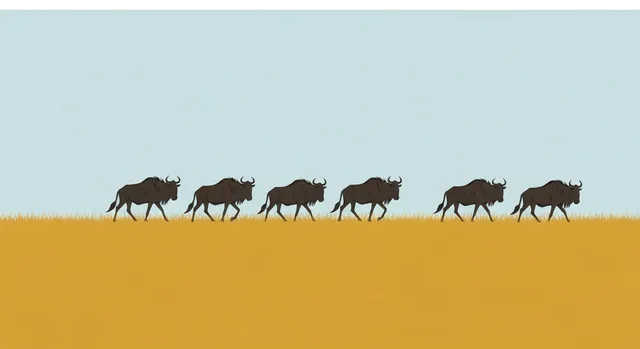
The quiet northeast, reached by air
Lobo is one of the Serengeti's hidden chapters. It lies in the northeastern reaches of the park, a country of dramatic granite kopjes, rolling woodland and long, empty horizons, set between the big-cat density of central Seronera to the south and the Mara River crossing zone to the north. It is a place most safari traffic passes by, and that is precisely its character: classic Serengeti scenery and excellent resident wildlife, with a fraction of the vehicles. The Lobo airstrip is the practical key to it, the way travellers reach a sector that the road treats unkindly.
Driving to Lobo is a long undertaking — many hours over rough tracks from Arusha or from the central park — which is why the airstrip matters. Flying in turns that haul into a short hop over the plains and lands you within game-drive reach of the kopjes and your camp. For travellers who want a quieter, wilder corner of the Serengeti, or who are timing a trip to the migration's return south, Lobo is a strip worth knowing — even though, for much of the year, it sees only a trickle of arrivals.
At a glance: the Lobo airstrip
A quick orientation before the detail. Everything here is evergreen — confirm current flight schedules, park fees and camp specifics with your operator and official Tanzania National Parks (TANAPA) sources close to travel.
- Where: the northeastern Serengeti, in the kopje-strewn Lobo country between central Seronera and the far-northern crossing zone.
- Role: the air gateway to a remote, quiet sector that the road serves poorly.
- Best for: travellers seeking solitude, resident big cats among the kopjes, and the migration's return-south leg through the northeast.
- Best months (30-year average): roughly November into the early new year, when the herds track back south — verify for your exact dates.
- Getting there: a light-aircraft hop from Arusha or Kilimanjaro, often on a scheduled bush circuit that may touch other airstrips.
- Baggage: soft duffel bags only, with firm weight limits — pack light and leave hard cases behind.
- Booking: camps here are few; book early and keep flight and camp figures to your operator.
When Lobo makes sense: the return migration
The strongest seasonal reason to fly into Lobo is the migration's return leg. The Great Migration is a year-round clockwise loop, and after the herds have spent the dry season at the Mara River in the far north, the short rains around November pull them back south. A great part of that return sweeps down through the northeastern Serengeti — Lobo country — before the herds reach the southern calving plains. For travellers who want to ride the migration's homeward chapter, away from the crowds that gather at the famous northern crossings, Lobo is beautifully placed.
This is a less-celebrated window than the August crossings or the February calving, and that is much of its appeal. In a typical November and into the early new year, the herds can pour through the northeast in their thousands, with predators in attendance, all of it witnessed by only a handful of vehicles. As ever, the timing follows the rain rather than a schedule — treat this as a 30-year average, expect swings of a couple of weeks, and verify the likely picture for your exact dates. Come for the country and the quiet, and treat a strong migration showing as the bonus on top.
- November into the early new year (30-year average): the migration typically tracks south through the northeast on its return loop.
- Dry season (July–October): quieter for the herds, which are mostly further north at the Mara — but resident game stays put.
- Year-round: excellent resident wildlife among the kopjes, with a fraction of the park's vehicle traffic.
Lobo's resident wildlife and the kopje country
Even outside the migration window, Lobo earns its airstrip. The granite kopjes that rise from the woodland are classic big-cat country — lions favour the warm rock for resting and lookout, and the broken terrain suits leopards and the prides that work the surrounding grassland. This is some of the most scenic country in the Serengeti, and because so few vehicles reach it, sightings have an unhurried, private quality that is increasingly rare in the busier central park. For travellers who value space and atmosphere as much as a long species checklist, the northeast delivers.
That resident richness is what makes Lobo a viable base in any month, not only during the return migration. You will find lions on the kopjes, elephant and giraffe moving through the woodland, and the deep silence of a sector the crowds skip. The honest framing, here as everywhere in the Serengeti, is probabilities rather than promises — wildlife is wild, and nothing is guaranteed — but the combination of kopje terrain and low traffic makes Lobo one of the most rewarding quiet corners of the park.
How the light-aircraft hop works
Fly-in safaris to the Serengeti run on small turboprop aircraft along scheduled bush circuits, and a flight to Lobo is one stop on those circuits. You will typically board at Arusha — reached via Kilimanjaro International Airport — and the aircraft may touch down at one or two other airstrips on the way, dropping and collecting guests, before reaching Lobo. The hop that would have been a long, jarring road day becomes a scenic flight over the plains and kopjes, and you step off the plane close to your camp and the day's game drives.
The realities of small-plane travel apply in full. Baggage is restricted to soft duffel bags so they can be stowed in tight holds, and weight limits are firm and enforced for safety. Times can shift with demand, loads and weather, so transfer days need a little built-in flexibility, and you should confirm timings with your operator close to travel. Because Lobo is a quieter strip, scheduled services to it may be less frequent than to the busier airstrips, so flight routing here especially repays planning with an experienced operator.
Lobo by air versus the road
There is a road through the Lobo area — the Klein's Gate route in the northeast connects this country to the wider park and to the routes north — and an overland safari can certainly include Lobo on a longer, slower journey through the Serengeti. For travellers on an unhurried drive-in trip, working their way from central Seronera up toward the crossings, passing through Lobo on the ground is a fine way to see the kopje country roll past. The road is not the enemy here; it is simply slow.
The case for flying is time. If your trip is short, or if Lobo is your destination rather than a waypoint, the airstrip turns a long haul into a brief hop and buys back precious hours. The honest rule is the familiar one: drive Lobo into a longer overland itinerary if you have the days and want the landscape in between; fly into Lobo if time is tight or the northeast is the focus. Let your operator weigh the geography of your whole trip rather than assuming either road or air is always right.
Planning a Lobo-based trip
A trip built around Lobo follows a clear logic. Decide first whether you are coming for the return migration or simply for the quiet kopje country, since that sets your season. If it is the herds you want, aim for the November-into-new-year window and verify the likely picture close to travel; if it is solitude and resident cats, Lobo rewards almost any month. Book your nights early — the area's few camps fill faster than their remoteness suggests — and aim for several nights so the long journey in is worth the arrival.
Then arrange the flights: a light-aircraft leg into Lobo from Arusha or Kilimanjaro, with soft luggage only and a little flexibility on transfer days. From there, fold Lobo into a wider journey — pair it with central Seronera for big cats, or with the far-northern crossings earlier in the year, and add Ngorongoro and Tarangire on the way in from Arusha, perhaps finishing on Zanzibar. Keep park-fee and conservation-levy details to official sources, since they change, and let your operator weigh the flight routing to a strip that sees fewer scheduled services than the busy airstrips. The discipline is simple: pick your season, secure the scarce camps early, fly in, and savour a corner of the Serengeti that few travellers ever reach.
Common questions about the Lobo airstrip
Where is the Lobo airstrip? In the northeastern Serengeti, in the kopje-strewn Lobo country between central Seronera and the far-northern Mara crossing zone.
When should I fly into Lobo? Around November and into the early new year, when the migration typically tracks back south through the northeast — but treat this as a 30-year average and verify for your exact dates. Resident wildlife makes Lobo rewarding year-round.
How do I get to the Lobo airstrip? By light aircraft from Arusha or Kilimanjaro, usually on a scheduled bush circuit; services to this quieter strip may be less frequent, so plan routing with your operator.
Why fly in rather than drive? Reaching Lobo by road is a long, rough haul of many hours. Flying turns that into a short scenic hop and lands you ready to safari.
Is the northeast worth it outside the migration? Yes, for the right traveller. The kopje country holds excellent resident big cats and a fraction of the park's vehicle traffic — solitude and scenery in any month.
What can I bring on the flight? Soft duffel bags only, within firm weight limits set by the light-aircraft operator. Confirm the current allowance with your operator before you travel.

Related guides

Lobo Serengeti Guide
A guide to the Lobo area of the northern-central Serengeti — its hills, woodlands and granite kopjes, the return-migration possibilities that make it a strategic October–November base, and how Lobo fits a northern itinerary.
Read guide
Northern Serengeti & Kogatende Guide
The complete guide to the Northern Serengeti — the Mara River, Kogatende, Lamai and the remote crossing country worth the flight. Dry-season migration timing, quieter game drives, where to stay, and how to plan a trip around the river.
Read guide
Fly-In Serengeti Safari
How a fly-in Serengeti safari works — when to fly into Seronera, Kogatende, Grumeti or Ndutu, the light-aircraft hops from Arusha and Zanzibar, the strict baggage rules, and how flying changes your budget.
Read guideMore in Getting There
6
Accessible Serengeti Safari Planning
How to plan an accessible Serengeti safari — adapted vehicles and transfers, level camps and bathrooms, airstrip and fly-in considerations, medical support and evacuation, and why a private, tailored trip is usually the key to travelling well with mobility or other needs.
Read guide
Arusha to the Serengeti
How to get from Arusha to the Serengeti — the overland drive through Ngorongoro, the light-aircraft fly-in, and the overnight-routing options — with the time, comfort and cost trade-offs of each.
Read guide
Bush Flight Luggage Rules for the Serengeti
How luggage works on a Serengeti safari — the strict soft-bag and weight rules for light bush aircraft, what counts toward your allowance, how to pack camera gear, and how the same bags ride in a safari vehicle.
Read guide
Driving to the Serengeti: Roads, Timing and the Long-Haul Reality
What driving to the Serengeti is really like — the road route from Arusha through Ngorongoro, gate timing, road conditions in the dry and the rains, vehicle choice, and why nearly everyone travels with an operator rather than self-driving.
Read guide
Drone Rules in the Serengeti: Why They're Restricted and What to Do Instead
Why drones are restricted in the Serengeti, why general visitors should not assume they can fly one, what a permit would realistically involve, and the better ways to capture sweeping aerial-style images of the plains — from a balloon flight to a long lens.
Read guide
Food & Drink on a Serengeti Safari
What eating and drinking on a Serengeti safari is really like — camp meals from budget to ultra-luxury, bush breakfasts and picnic lunches, sundowners and the bar, drinking water, and how camps handle dietary needs, allergies and children.
Read guide