
Lake Natron and Serengeti
How to add Lake Natron — its flamingos, its blood-red soda flats, the great Rift Valley scenery and the volcanic backdrop of Ol Doinyo Lengai — to a Serengeti itinerary. The routing, the timing, what the detour actually offers and who it suits. Evergreen and honest about logistics.

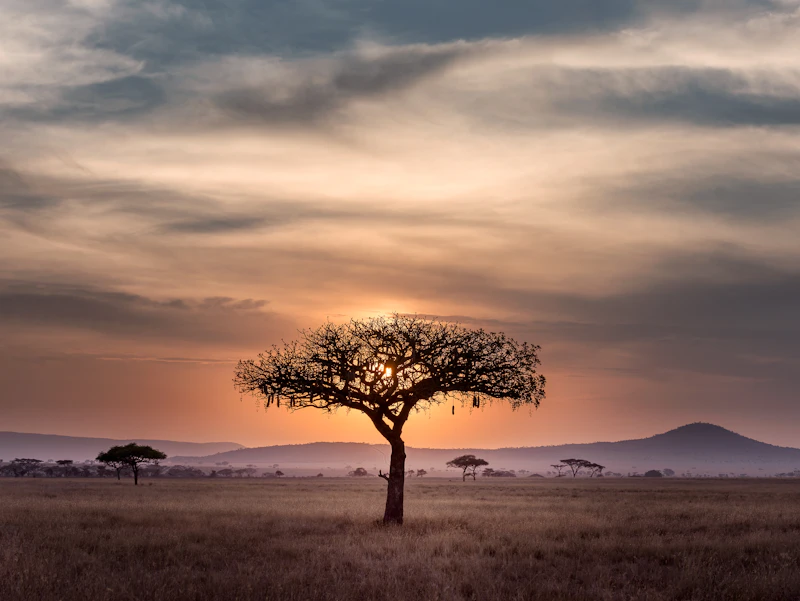
Photo: Magdalena Kula Manchee / Unsplash
- ✓Lake Natron is the Rift Valley at its most otherworldly — a vast, shallow soda lake whose mineral-stained flats glow red and orange, set beneath the near-perfect cone of the active volcano Ol Doinyo Lengai.
- ✓It is the most important breeding site in East Africa for the lesser flamingo, and at times the shallows hold extraordinary numbers of the birds, a smear of pink against the white crust.
- ✓Natron is a scenery-and-birds detour rather than a Big Five destination — you go for the landscape, the geology and the Maasai cultural context, not for predators.
- ✓It sits on the dramatic, rugged northern edge of the safari circuit, so adding it means committing to a longer, rougher journey rather than a quick side trip — it rewards travellers who want the road less travelled.
- ✓As with the whole circuit, keep timing evergreen: flamingo numbers and water levels swing with the seasons and the rains, the access roads are weather-dependent, and you should verify routes, conditions and any fees with your operator.
Why add Lake Natron to a Serengeti trip
The Serengeti is endless grass; Lake Natron is its opposite — a primordial, almost lunar landscape that feels like another planet bolted onto the same trip. The lake is a shallow alkaline pan in the floor of the Great Rift Valley, fed by mineral-rich springs and baked by relentless heat, and its surface stains in vivid reds, oranges and whites as the soda crust dries and the algae bloom. Above it rises Ol Doinyo Lengai, 'the Mountain of God' to the Maasai, an active volcano with an almost cartoonishly perfect cone. To stand on the shore is to feel the raw geology of East Africa in a way no game drive on the plains can deliver.
It is also a place of life in the harshest possible setting. Lake Natron is the single most important breeding ground in East Africa for the lesser flamingo, and at the right times the caustic shallows — too hostile for most predators to reach the nesting colonies — can hold immense gatherings of the birds. The reason to fold Natron into a Serengeti itinerary, then, is contrast and depth: you trade a day or two of big-game viewing for landscapes, birds and a cultural encounter that round out the trip into something more than a wildlife checklist. This page is about whether that trade is right for you, and how to make it.
At a glance
A quick orientation before the detail. Keep flamingo timing, water levels, road conditions and any fees to current sources and your operator — these swing with the seasons and change — so this page stays evergreen and tells you what to verify.
- Character: an otherworldly soda lake in the Rift Valley, not a Big Five park — go for scenery, birds and geology.
- Signature sights: blood-red salt flats, lesser-flamingo colonies and the volcanic cone of Ol Doinyo Lengai.
- Location: the rugged northern edge of the safari circuit — a longer, rougher detour rather than a quick hop.
- Activities: walks to nearby waterfalls and the lakeshore, birding, Maasai cultural visits and, for the very fit, a demanding night climb of Ol Doinyo Lengai.
- Timing: flamingo numbers and water levels are seasonal; the heat is fierce and access roads are weather-dependent.
- Verify: routings, road and weather conditions, the state of the flamingo flocks and any fees with your operator.

What there is to do at Natron
Natron is not a game-drive destination in the Serengeti sense, and it pays to arrive with the right expectations. The headline activity is simply being in the landscape — walking out toward the shimmering edge of the soda flats, watching the flamingos work the shallows, and absorbing the sheer scale of the Rift Valley walls rising on either side. Birdwatchers come for the flamingos above all, but the wider wetland and escarpment habitats hold plenty more, and a good guide turns a barren-looking shore into a surprisingly busy place.
Beyond the lake itself, the area offers a clutch of memorable add-ons. Guided walks lead up nearby gorges to waterfalls where you can cool off after the heat of the flats. The Maasai communities of the area provide a genuine cultural dimension, and a respectful, well-arranged village visit can be a highlight of the whole trip. And for the seriously fit and well-prepared, Ol Doinyo Lengai offers a brutal overnight climb — a steep, hot, demanding ascent timed to reach the crater rim around dawn — that is in a different league of effort from anything on the plains. Most visitors are more than content to admire the volcano from below.
How the detour fits the circuit
Lake Natron sits out on the rugged northern margin of the northern Tanzania safari circuit, in the Rift Valley country beyond the well-trodden line between Arusha, the Serengeti and Ngorongoro. That position is the whole story when it comes to logistics: Natron is not a quick, polished hop but a committed journey over rough, remote roads, and adding it means accepting a longer and bumpier travel day in exchange for a landscape few other visitors reach. This is precisely why it appeals to travellers who want to leave the busier circuit behind.
In practice, Natron is most often woven into a drive-based northern Tanzania itinerary rather than tacked onto a tightly scheduled fly-in safari, because the road approach is part of the experience and part of the cost in time. Some itineraries use it as a bridge between the safari heartland and the far north, or as a standalone Rift Valley extension before or after the Serengeti. Because the access roads are unsurfaced and weather-dependent, the rains can change what is sensible, so the routing and the condition of the roads for your dates are the first things to confirm. Treat Natron as a deliberate detour you choose, not a box you tick on the way past.
When to go: flamingos, water and heat
Timing a Natron visit is mostly about the lake's two great variables — water and birds — and about coping with the heat. The shallows are seasonal: rains raise the water and feed the algal blooms the flamingos depend on, while the dry months concentrate the crust into its most vivid colours. Flamingo numbers swing accordingly and are notoriously hard to predict, so while the lake is one of the most important breeding sites in the region, no one can promise you a particular spectacle on a particular day. Treat any guidance on the best flamingo months as a long-run average and verify the current state of the flocks before you commit.
Heat and access shape the calendar as much as the birds. The Rift Valley floor here is one of the hottest, most exposed environments on the whole circuit, and the middle of the day can be punishing, so walks and the Lengai climb are pitched at the cool edges of the day. The rough access roads are weather-dependent, and heavy rain can make the approach slow or impractical, which tends to favour the drier stretches of the year for a comfortable visit. The sensible approach is to fix your Serengeti dates to the wildlife you most want, then check whether Natron's conditions for those dates make the detour worthwhile — and verify everything with your operator.
Who the detour suits — and who should skip it
Lake Natron is a wonderful addition for the right traveller and an avoidable hassle for the wrong one, so it is worth being honest about fit. It suits people drawn to landscape, geology and birds over a relentless predator tally — repeat visitors who have already had their fill of the Big Five, photographers chasing surreal scenery, keen birdwatchers, and anyone who values getting off the standard circuit and accepting a rough road as the price of a place few others see. The cultural encounter with the area's Maasai communities adds a further reason for travellers who want their trip to be about more than animals.
It is less suited to a first-timer on a short, tightly packed safari whose priority is seeing as much wildlife as possible in limited days. For that traveller, the time the Natron detour consumes is better spent on the plains, in the Crater or chasing the migration, and Natron can wait for a return trip. There is no wrong answer here — only a clear-eyed trade. If the otherworldly landscape and the flamingos genuinely call to you, the rough road is a small price; if your heart is set on lions, leopards and the herds, keep your days where the big game is and save Natron for another time.

Common questions about Lake Natron and the Serengeti
What is Lake Natron known for? It is a vast, shallow soda lake whose mineral crust glows red and orange, the most important breeding site in East Africa for the lesser flamingo, and it sits beneath the active volcano Ol Doinyo Lengai. It is a scenery, birding and geology destination rather than a Big Five park.
Is it easy to add to a Serengeti safari? It is a committed detour, not a quick hop. Natron sits on the rugged northern edge of the circuit, reached over rough, remote roads, so adding it means a longer, bumpier journey — which is part of its appeal for travellers seeking somewhere quieter.
When is the best time to see the flamingos? Flamingo numbers and water levels are seasonal and hard to predict, so treat any guidance as a long-run average and verify the current state of the flocks before you go. Drier months tend to give the most vivid colours and easier road access.
Can I climb Ol Doinyo Lengai? Yes, but it is a serious undertaking — a steep, hot overnight climb timed for a dawn arrival, for the very fit and well-prepared. Most visitors admire the volcano from below and enjoy the gentler walks to nearby waterfalls instead.
Should a first-timer include Natron? Probably not on a short first safari focused on big game — the time is better spent on the plains and the Crater. Natron rewards repeat visitors, birders and landscape lovers who want to get off the standard circuit.

Related guides

Birdwatching in the Serengeti
A traveller's guide to birding the Serengeti — the rollers, ostriches, raptors and wet-season migrants that fill the plains — and how to add birdwatching to a safari without losing the mammal focus.
Read guide
Northern Serengeti & Kogatende Guide
The complete guide to the Northern Serengeti — the Mara River, Kogatende, Lamai and the remote crossing country worth the flight. Dry-season migration timing, quieter game drives, where to stay, and how to plan a trip around the river.
Read guide
Beyond the Serengeti: What to Combine It With
How to combine the Serengeti with the rest of northern Tanzania and beyond — Ngorongoro Crater, Tarangire, Lake Manyara, the further-afield lakes and Olduvai Gorge, a cross-border Maasai Mara extension, Zanzibar's beaches and Kilimanjaro — with honest, advisory guidance on how to sequence and pace it all.
Read guideMore in Combine With
6
Arusha before Serengeti
How to use Arusha well before a Serengeti safari — as the place to land and recover from a long flight, sort gear and last-minute shopping, sleep an overnight if your timings demand it, and meet your operator and brief your guide. The gateway town's practical role, and why a night here often pays for itself. Evergreen and honest about logistics.
Read guide
Kilimanjaro and Serengeti
How to combine Kilimanjaro — a full summit climb or simply its views — with Serengeti safari days: which order to do them, how much recovery time to build in, the flights and transfers that link them, and the seasonal choices that make or break the trip. Evergreen and honest about timings.
Read guide
Lake Manyara with Serengeti
When Lake Manyara is worth adding to a Serengeti safari — its groundwater forest, flamingo-fringed soda lake and birdlife — and how it slots into a shorter or richer Northern Circuit route.
Read guide
Lake Victoria after Serengeti
When and how to add Lake Victoria to the end of a Serengeti safari — the city of Mwanza, the western access through the park, the lake views and the slow, water-side change of pace. The routing, who it suits and when it actually works after the Western Corridor. Evergreen and honest about logistics.
Read guide
Maasai Mara & Serengeti safari
How to combine Kenya's Maasai Mara with Tanzania's Serengeti on one safari — the two halves of a single ecosystem and the same migration. The border logistics, the flights, the visas and the seasonal timing that decides which side to watch the crossings from. Evergreen and honest about timings.
Read guide
Ngorongoro Crater Guide
A full guide to the Ngorongoro Crater on the Northern Circuit — the world's largest intact caldera, what its floor holds, how a descent day runs, how the fees compare with the Serengeti, and when to give it a night.
Read guide